Why Microplastics Matter in Everyday Kitchen and Laundry Routines
Microplastics are tiny plastic fragments smaller than five millimetres, and research keeps finding them in drinking water, household dust, and even human blood. A lot of them come from ordinary habits: cutting on scratched plastic boards, scrubbing with synthetic sponges, storing food in flimsy plastic containers, and washing clothes made with synthetic fibres. The good news is that you do not need a complete lifestyle overhaul to reduce your exposure. Swapping a handful of everyday items for durable, plastic-free alternatives is one of the simplest ways to keep your home cleaner and your waste lighter.
At Full Circle | Remove Microplastics from Your Home – Full Circle Home, the focus is on practical tools that last for years rather than disposable shortcuts. Below are the swaps that make the biggest difference in the two rooms where microplastics quietly accumulate: the kitchen and the laundry room.
Kitchen Swaps That Cut Plastic at the Source
Start With Your Cutting Surface
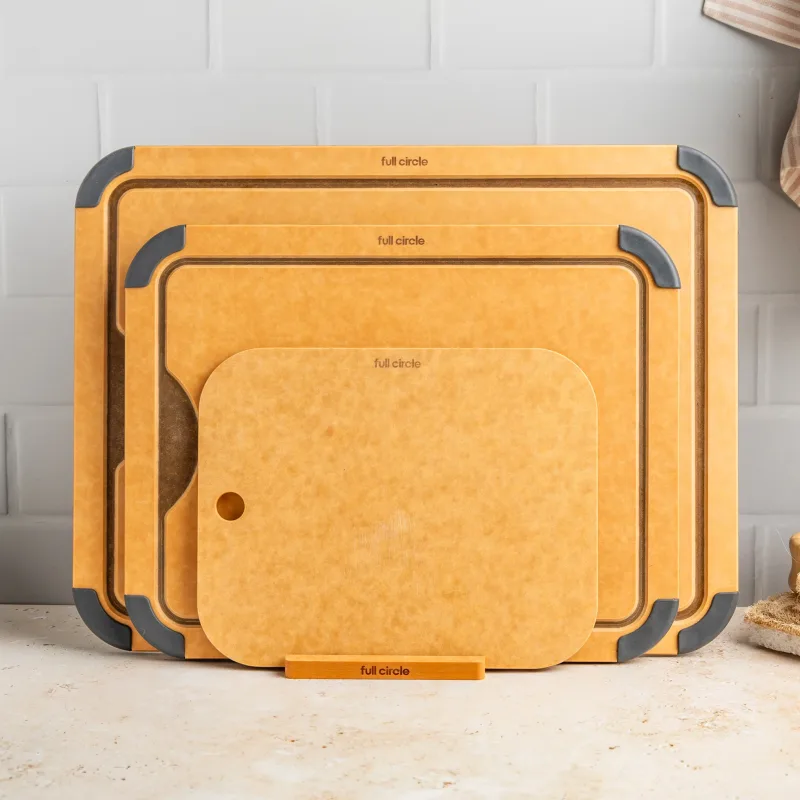
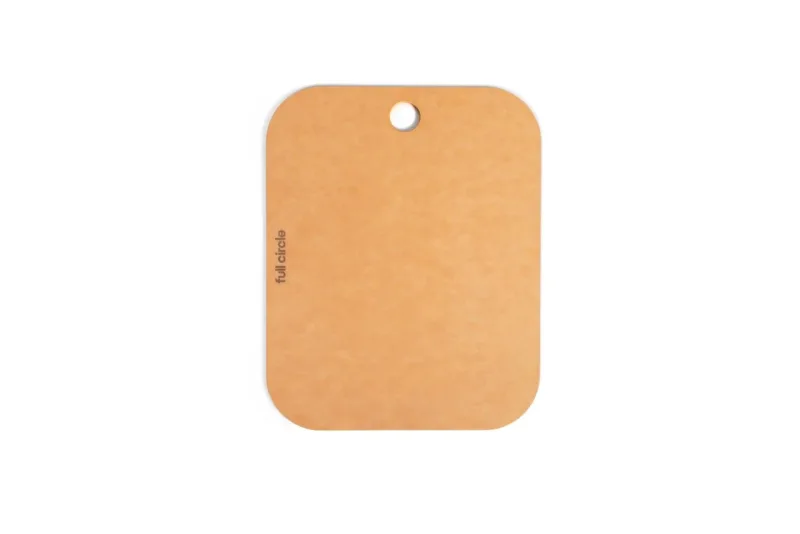
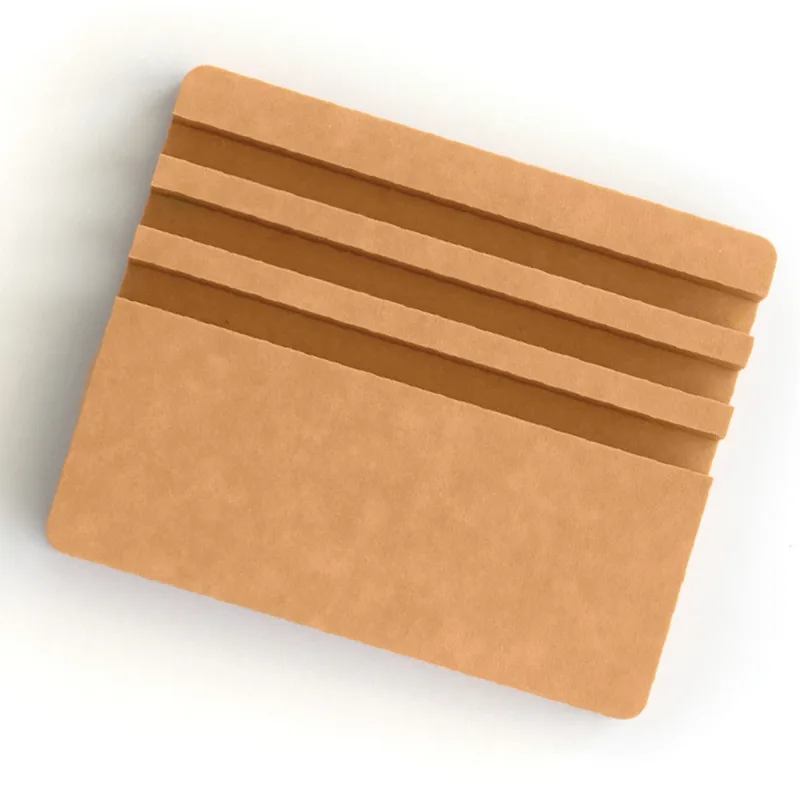
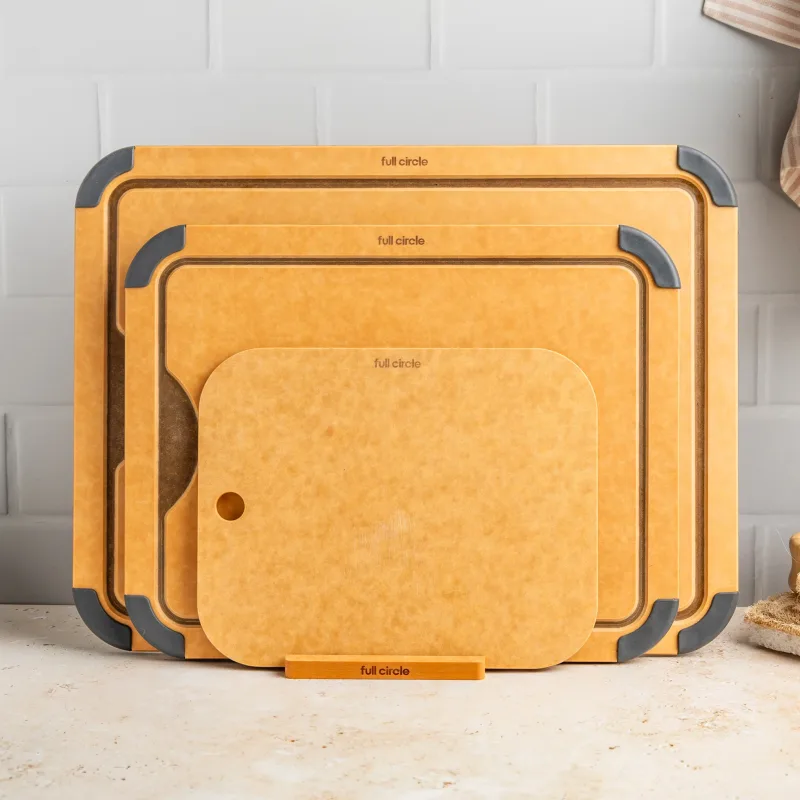
Plastic cutting boards shed microscopic particles every time a knife passes over them. A dense, non-porous board solves that problem and is easier to sanitise. The Better-Than-Wood Cutting Boards are designed to resist deep scoring, so there is far less material to flake off into your food. Pair them with the Better-Than-Wood Cutting Board Holder & Drying Rack to keep boards upright, dry, and off the countertop.
Handle Food Waste Without a Plastic Liner
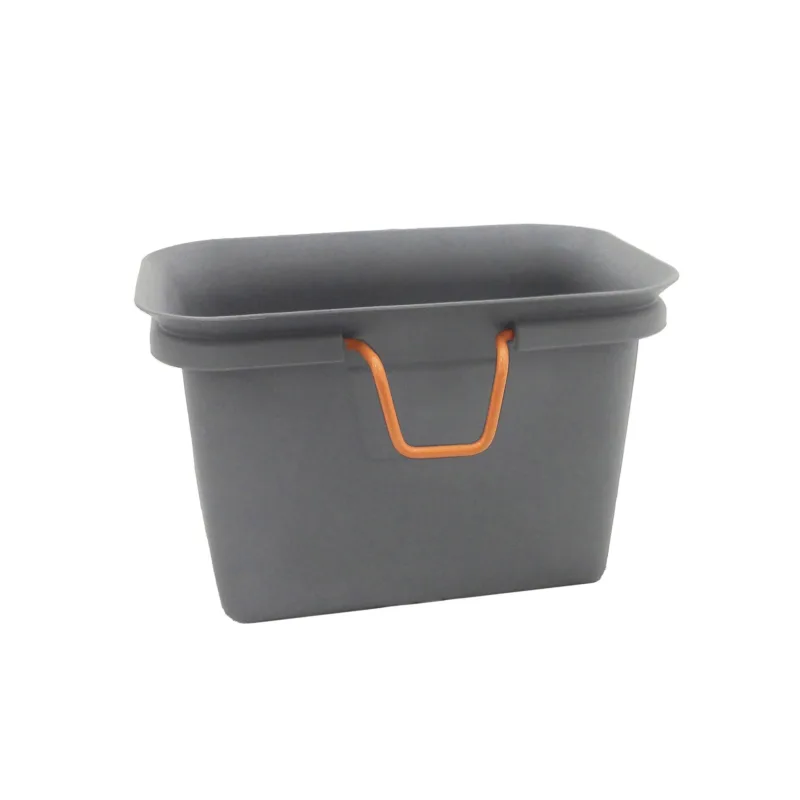
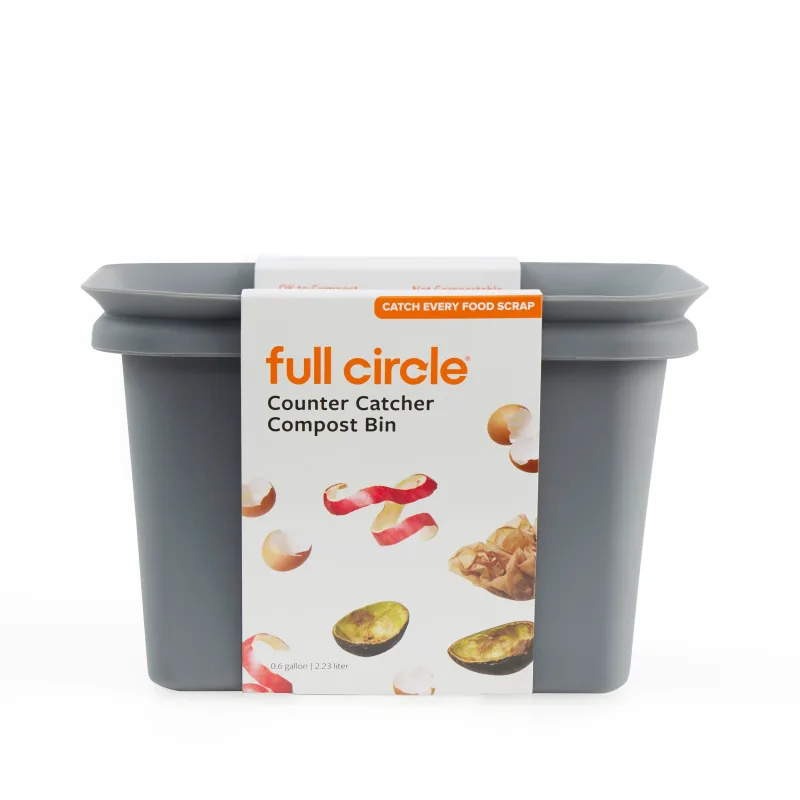
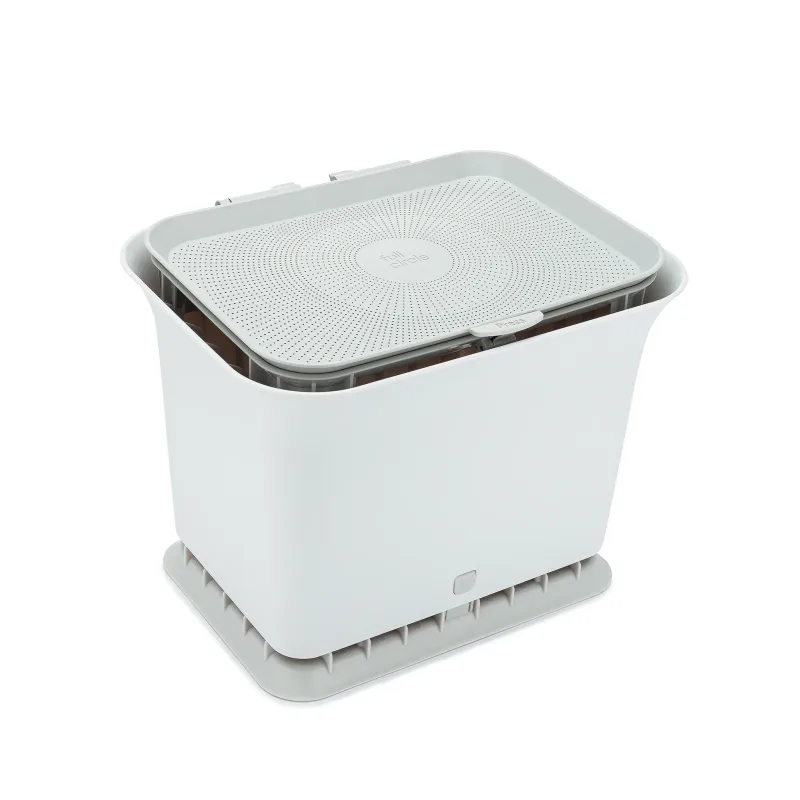
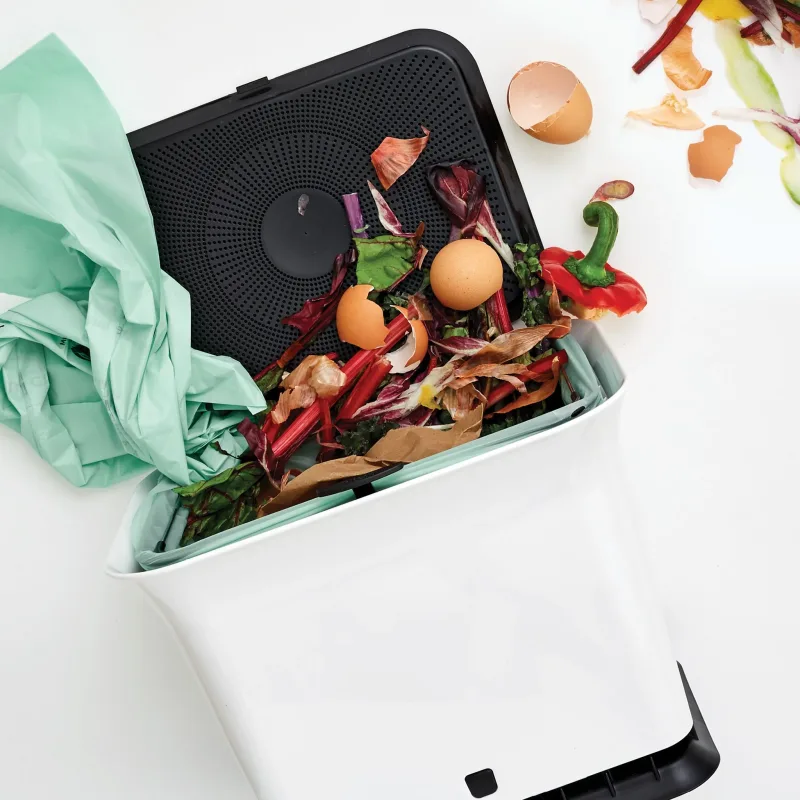
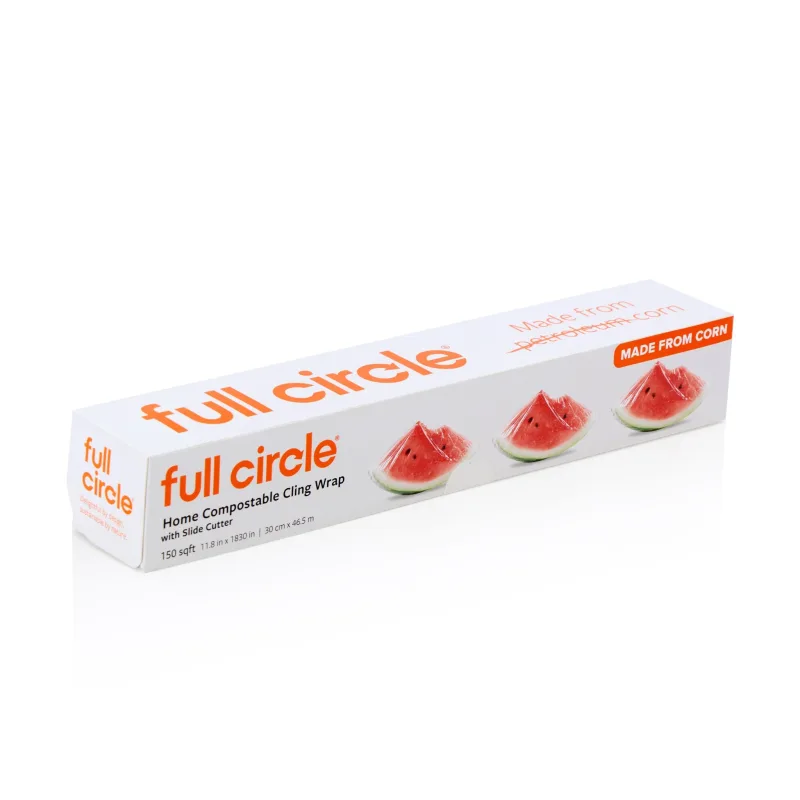
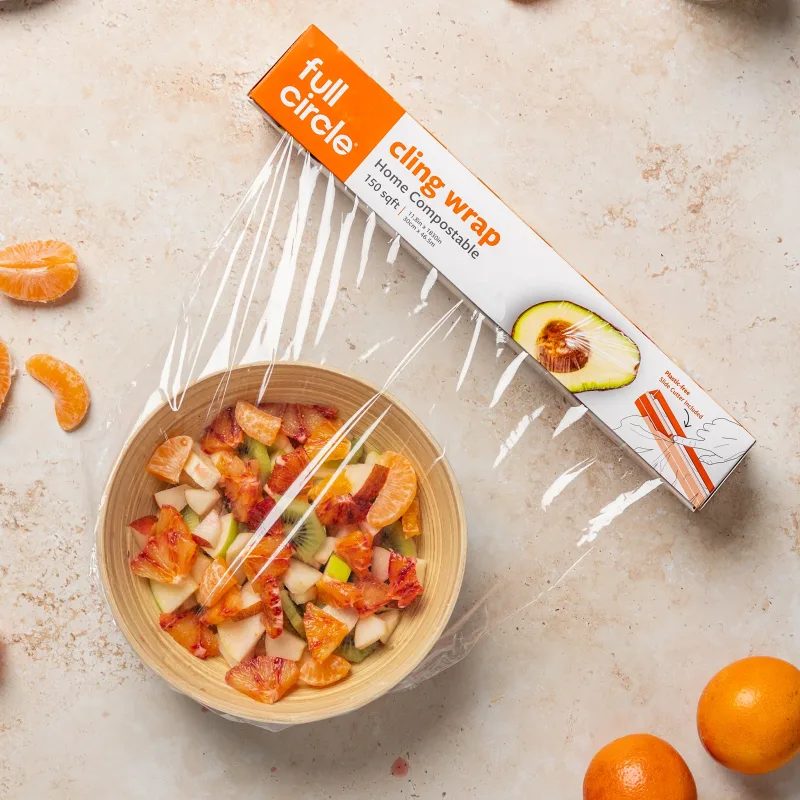
Food scraps are one of the biggest sources of single-use plastic in the kitchen. A countertop bin with a washable, odour-controlling design lets you collect scraps and carry them straight to the compost. The Counter Catcher Compost Bin fits neatly beside the prep area, while the larger Odor-Free Kitchen Compost Bin handles bigger households. Line either one with Home Compostable Cling Wrap or a compostable bag, and you have removed a daily stream of plastic from your routine.
Choose Glass and Stainless Over Single-Use Plastic
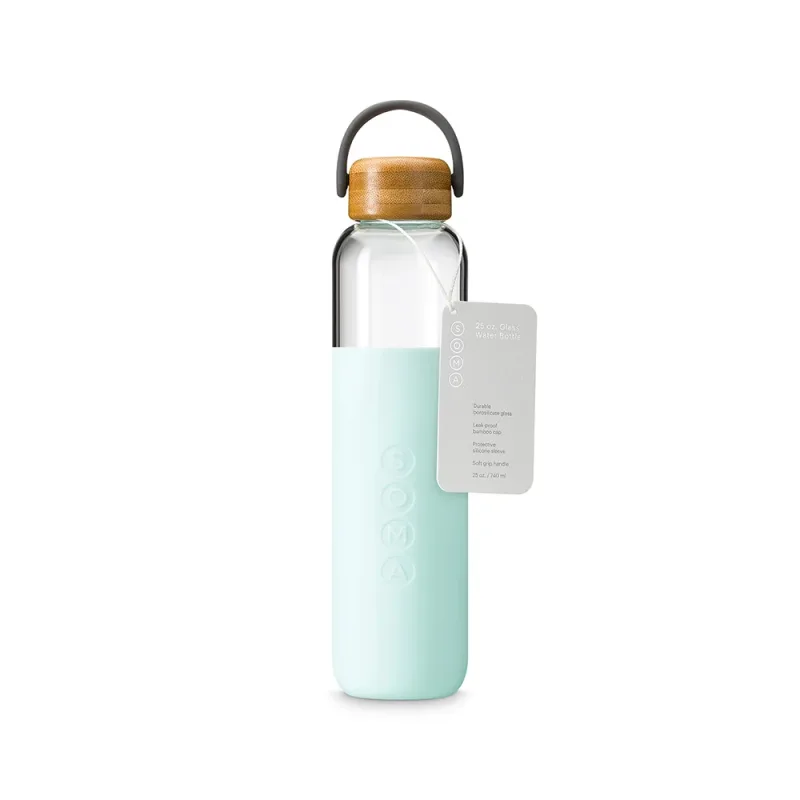
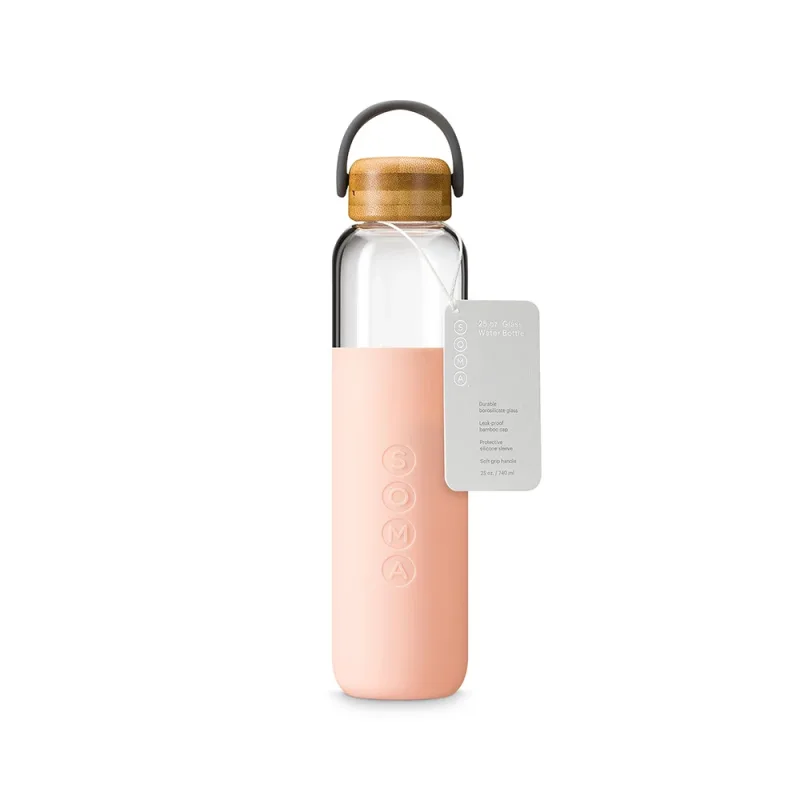
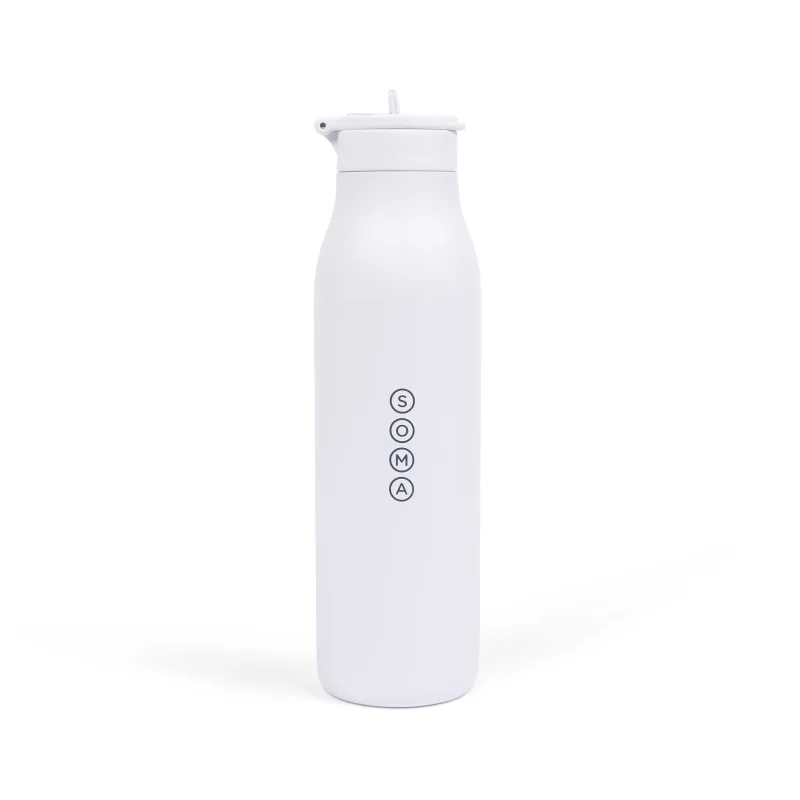
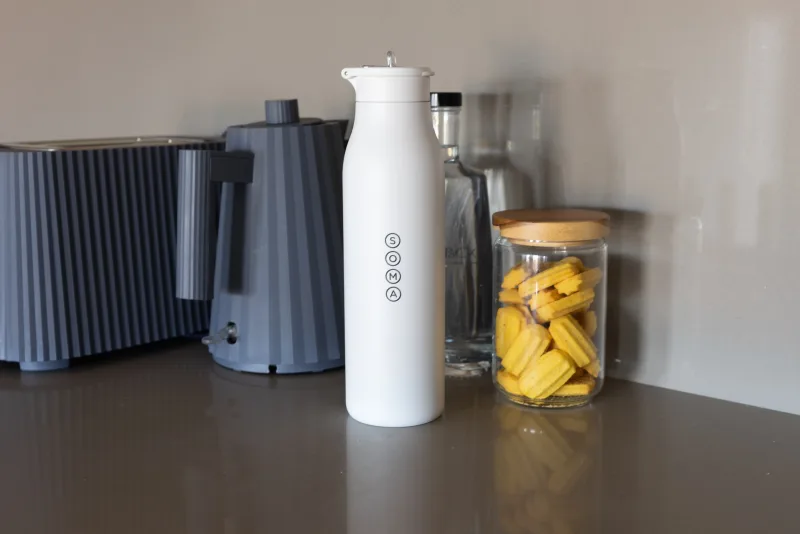
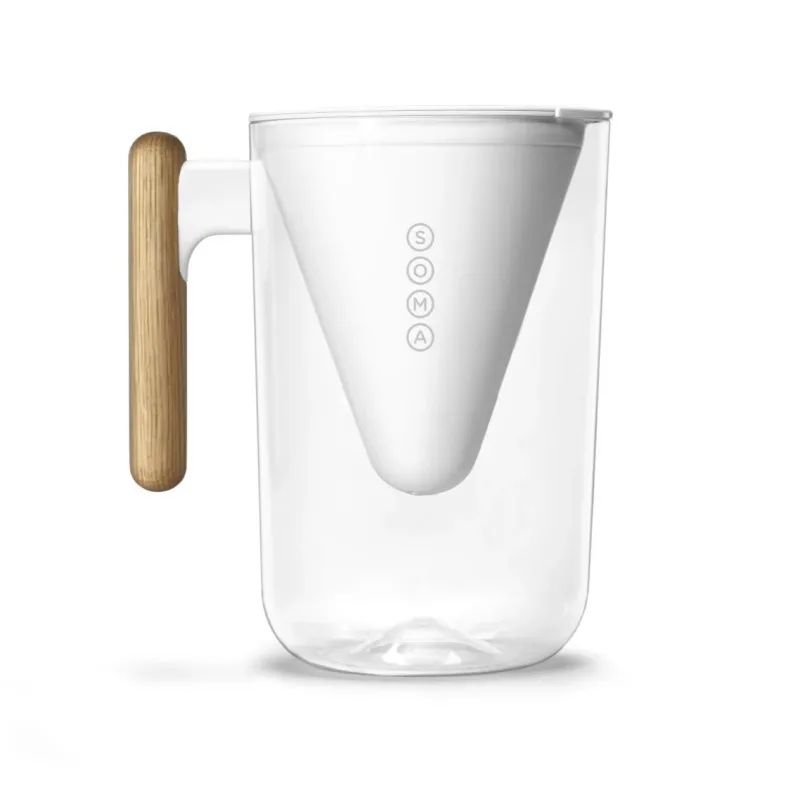
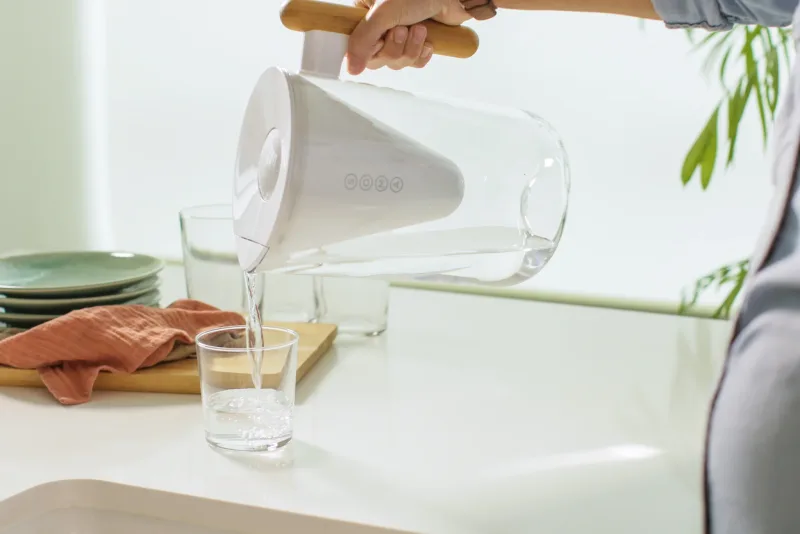
Drinking water is one of the easiest places to reduce plastic contact. Glass does not leach and does not hold onto flavours, which makes it ideal for daily hydration. The SOMA Glass Water Bottle 25oz is a good all-day size, and the SOMA Stainless Steel Water Bottle 24oz is a sturdier option for commuting or travel. If you filter tap water at home, the SOMA Pitcher + Filter replaces bottled water entirely, and the SOMA Filter 2 Pack keeps replacement filters on hand.
Laundry Room Upgrades That Reduce Shedding
Synthetic fabrics release microfibres in the wash, and those fibres travel through wastewater systems. You cannot eliminate every fibre, but you can reduce friction, shorten wash cycles, and stop buying plastic laundry accessories.
- Skip plastic baskets. A fabric hamper that folds flat is lighter, lasts longer, and avoids brittle plastic that cracks and sheds. The ROLL MODEL is a practical example of a collapsible design that stores away easily.
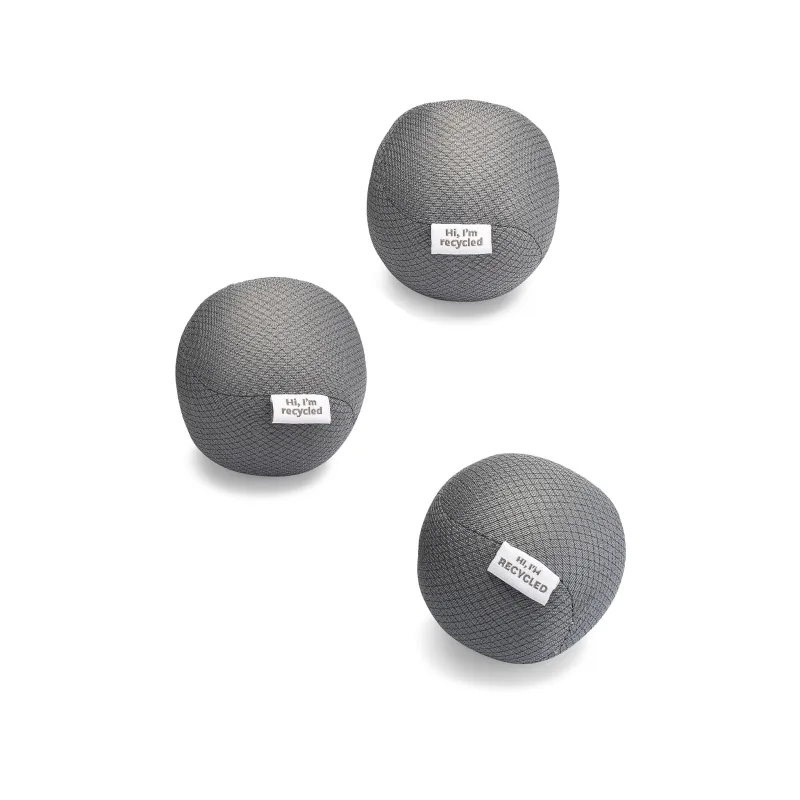
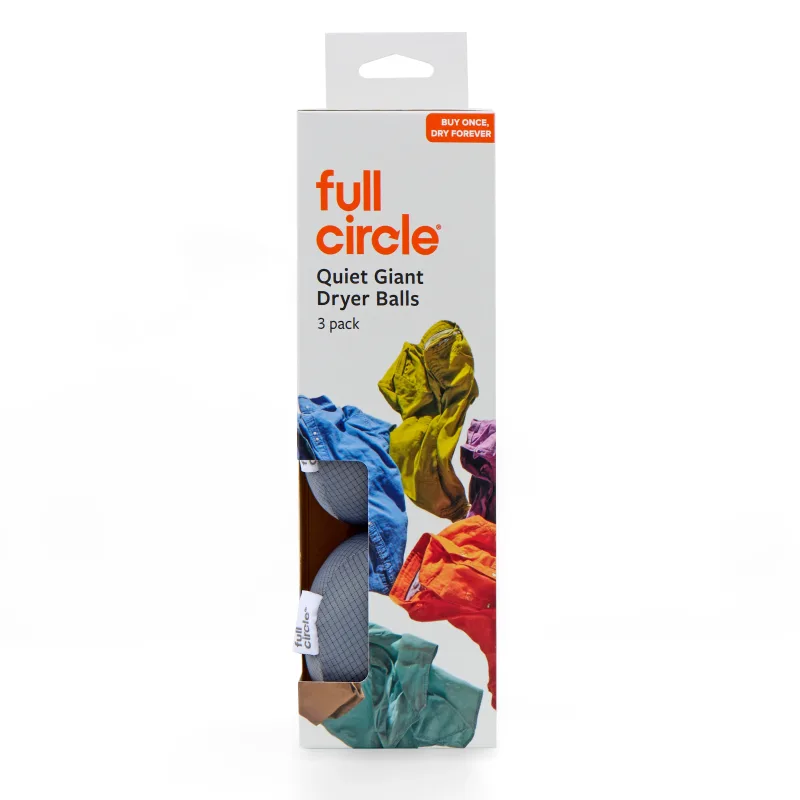
- Replace dryer sheets. Wool dryer balls separate fabrics, cut drying time, and eliminate the plastic-coating residue that dryer sheets leave behind. Quiet Giant Dryer Balls are a simple, reusable swap.
- Wash less often and on colder settings. Lower temperatures and fuller loads mean less agitation and fewer fibres released per garment.
Build a Plastic-Free Cleaning Kit
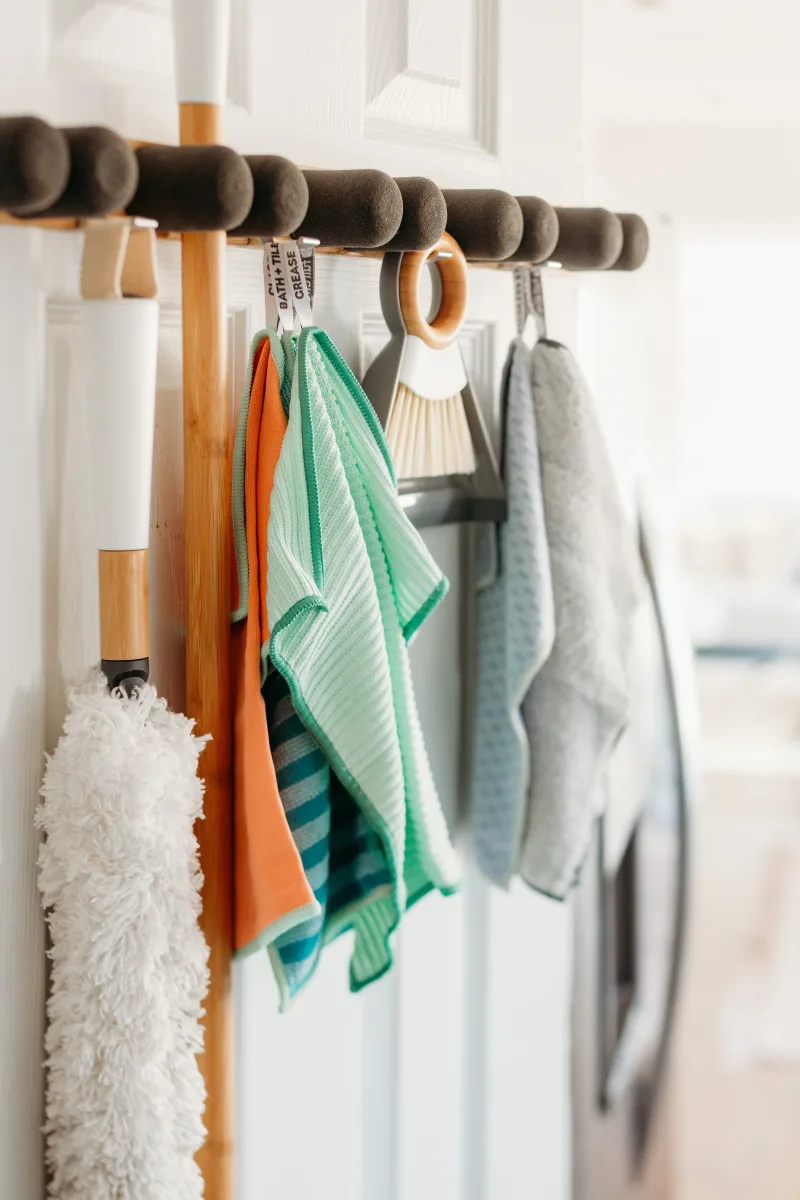
Cleaning tools are often the sneakiest source of plastic in the home. Sponges, brushes with nylon bristles, and disposable wipes all degrade over time. A small, well-chosen kit covers almost every surface without the waste.
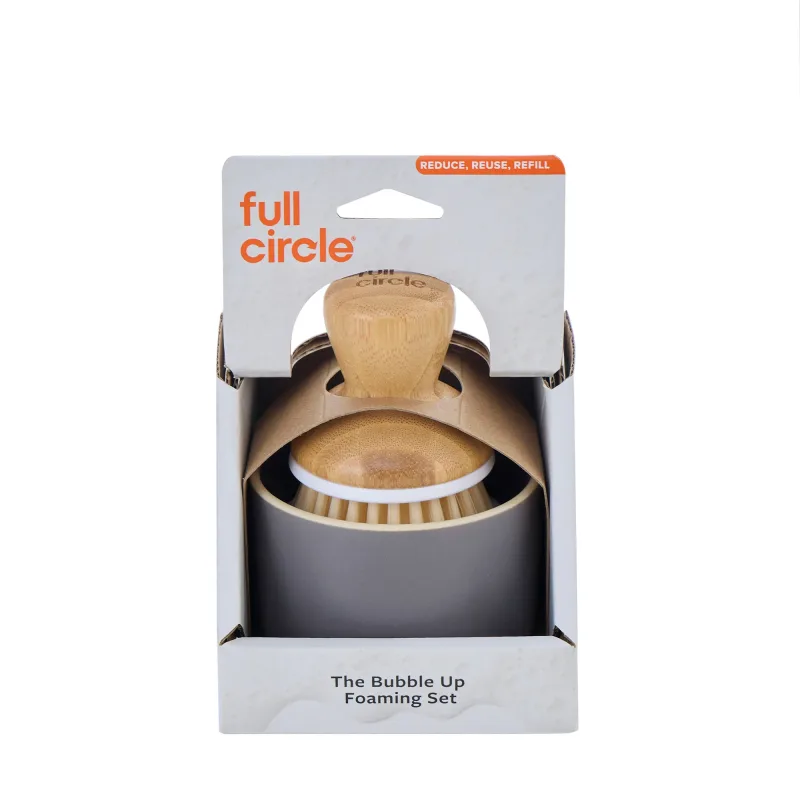
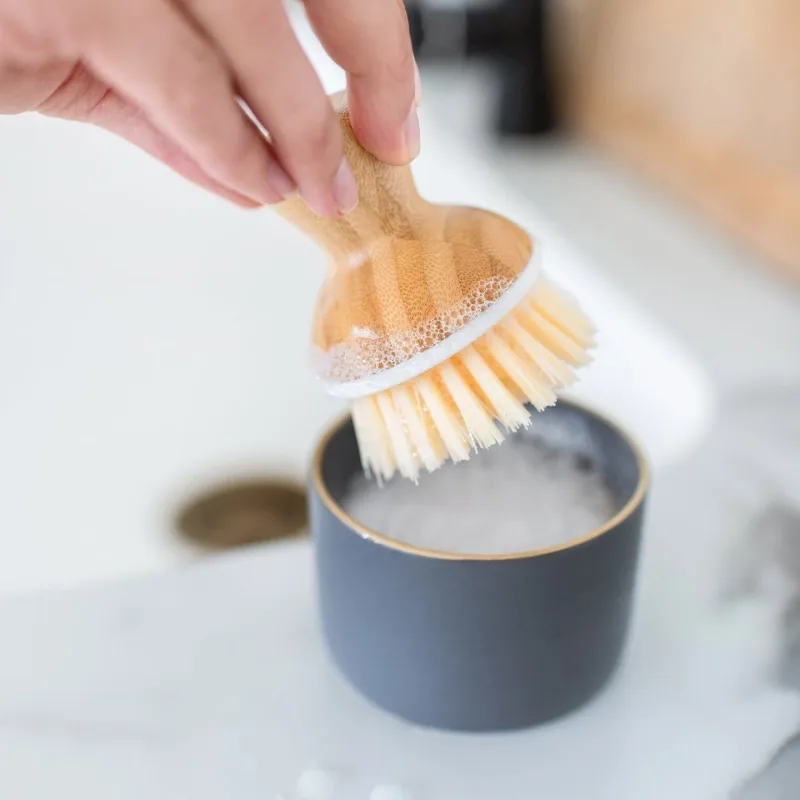
- Dishwashing: a refillable foaming set keeps soap in a durable container instead of a new plastic bottle every month. The The Bubble Up Foaming Set is built for exactly that.
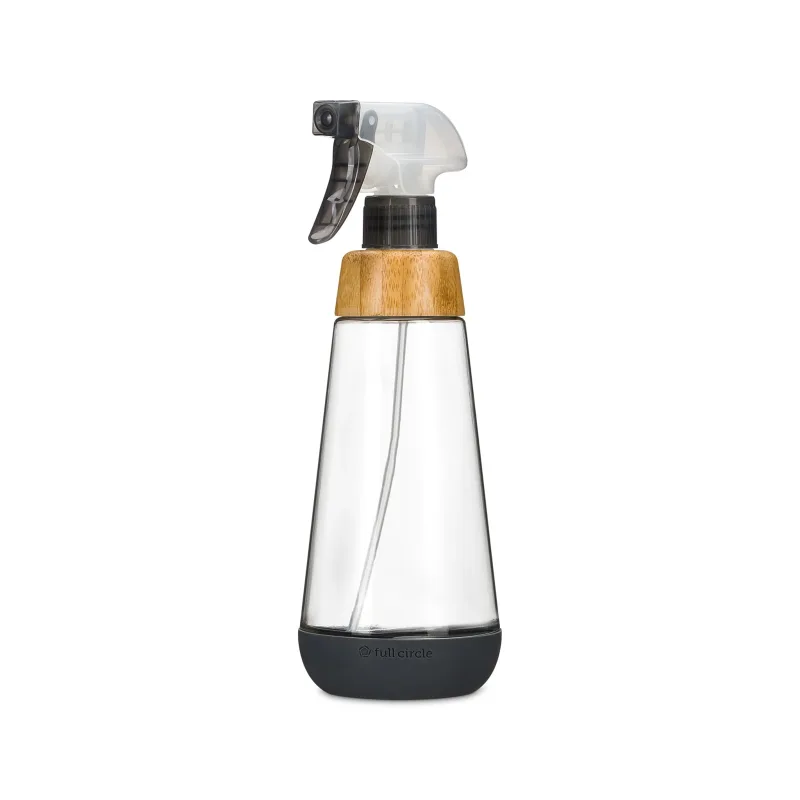
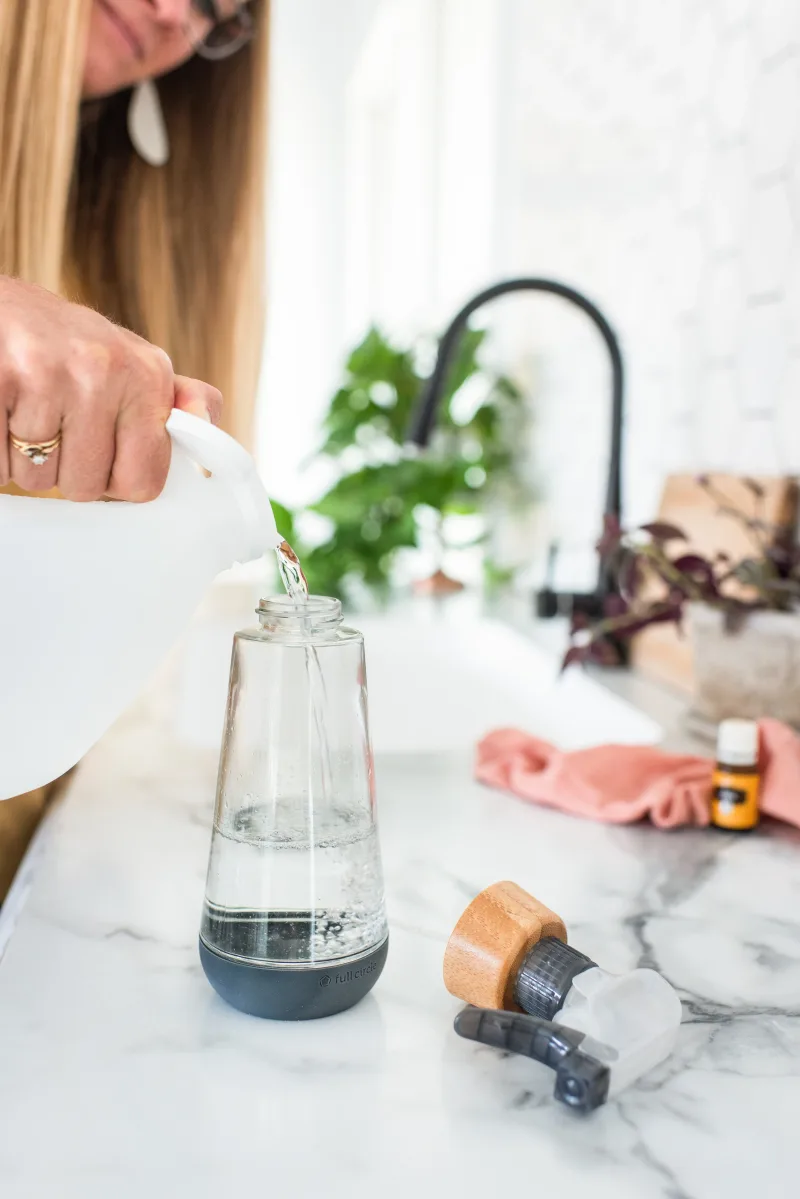
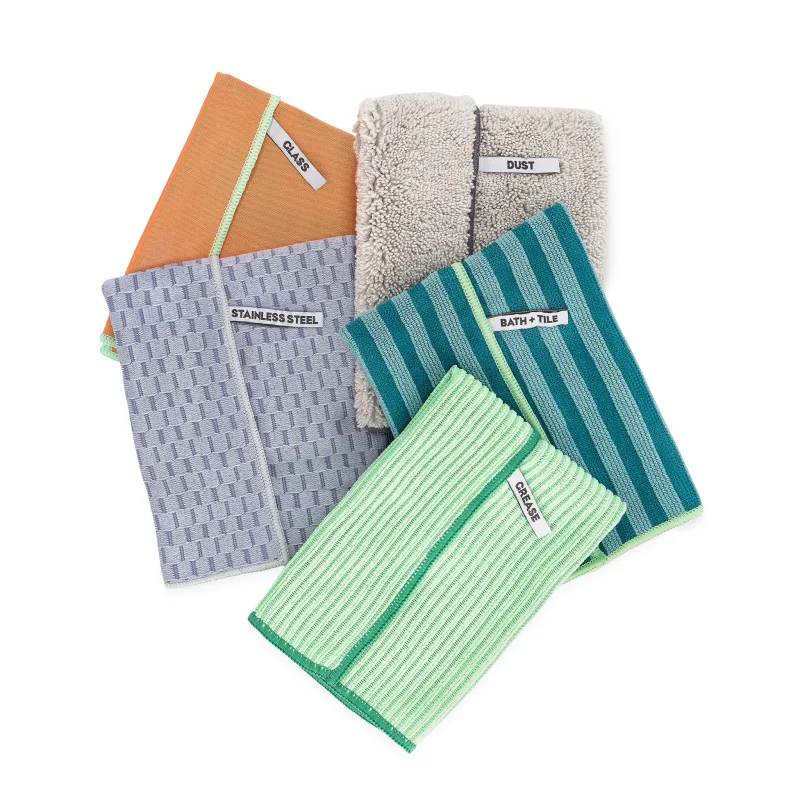
- Glass and mirrors: a refillable spray bottle with a reusable cloth replaces paper towels and single-use cleaners. Try the The Refill-Ready Glass Spray Bottle with the Water-Works Microfiber Essential Cloth Set.
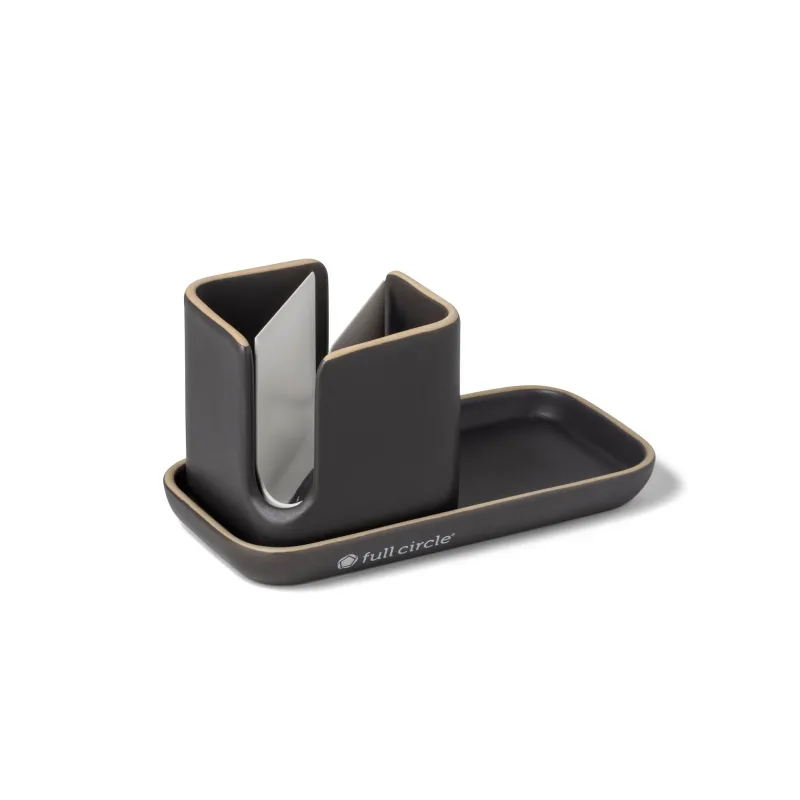
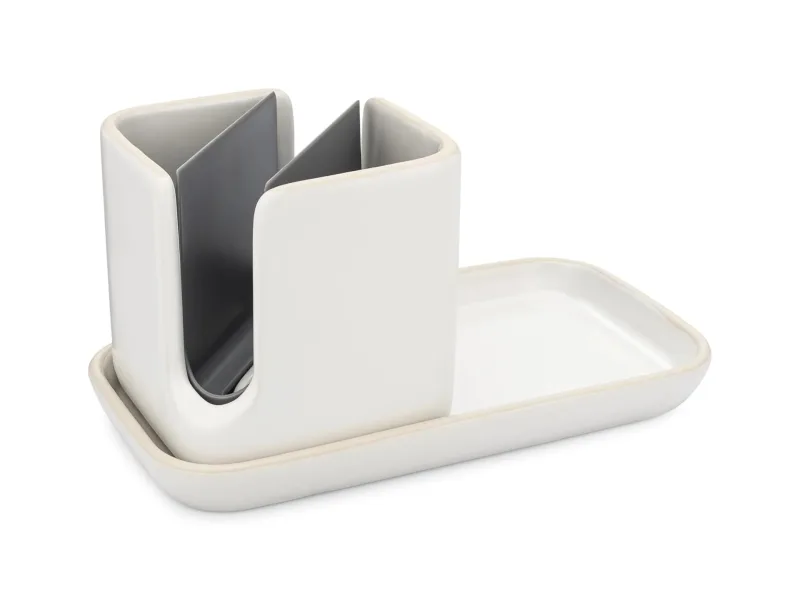
- Sink area: a ceramic station keeps brushes and soap organised and off the counter, so you are less tempted to grab a disposable sponge. The Sinkside Ceramic Cleaning Station is a tidy anchor for the whole routine.
- Floors and corners: a dustpan set with a built-in comb handles debris without plastic bags, and a squeegee keeps shower glass clear without chemical sprays.
Simple Starter Routines for Beginners
You do not have to replace everything at once. Pick one room and one habit, then build from there.
- Week one: swap your cutting board and move food scraps into a compost bin instead of the bin liner.
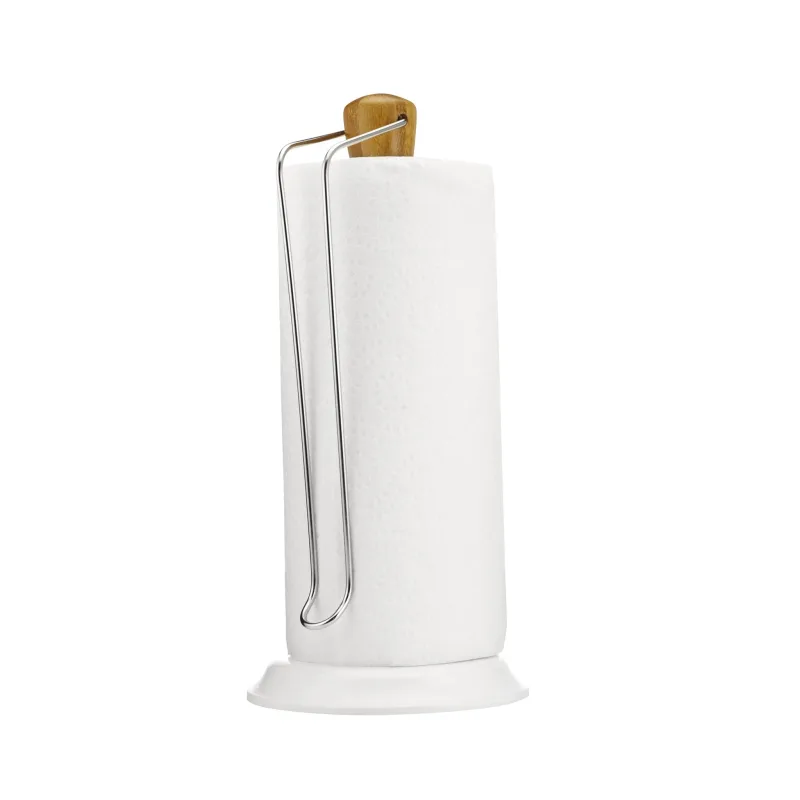
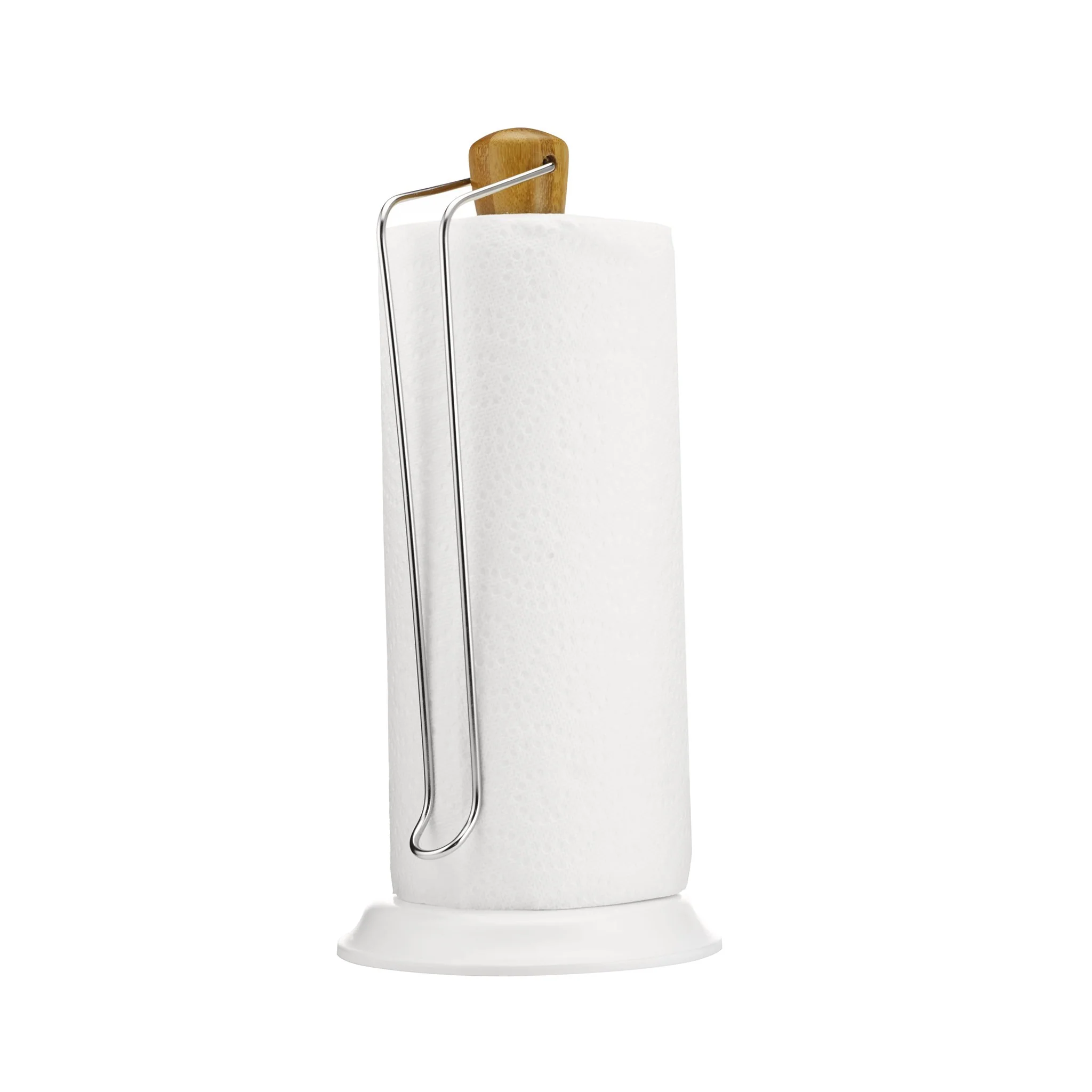
- Week two: set up a refillable spray bottle and cloths, and put the paper towels out of reach.
- Week three: change your laundry routine — dryer balls instead of sheets, fabric hamper instead of a cracked plastic basket.
- Week four: add a glass or stainless water bottle and a filter pitcher, and stop buying bottled water.
None of these steps require a big budget or a lot of time. They simply replace items that wear out and shed with items that last. Over a year, that adds up to less plastic in your home, less waste in landfill, and a kitchen and laundry room that are genuinely easier to keep clean.