Why Plastic-Free Kitchen and Laundry Routines Matter
Every time you scrub a nonstick pan with a synthetic sponge, run a load of polyester laundry, or scrape leftovers into a flimsy plastic bag, tiny fragments can shed into your home. These microplastics end up in wastewater, in compost, and sometimes in the food you eat. You do not need to rebuild your whole home overnight. The most effective approach is to swap the items you touch every single day — the tools at the sink and the gear in the laundry room — for durable, reusable alternatives that are designed to last.
Full Circle | Remove Microplastics from Your Home – Full Circle Home focuses on exactly this kind of practical, everyday replacement. Below are the swaps that make the biggest difference, plus how to combine them into a starter kit that fits your space.
Kitchen Swaps That Earn Their Counter Space
Start at the Sink
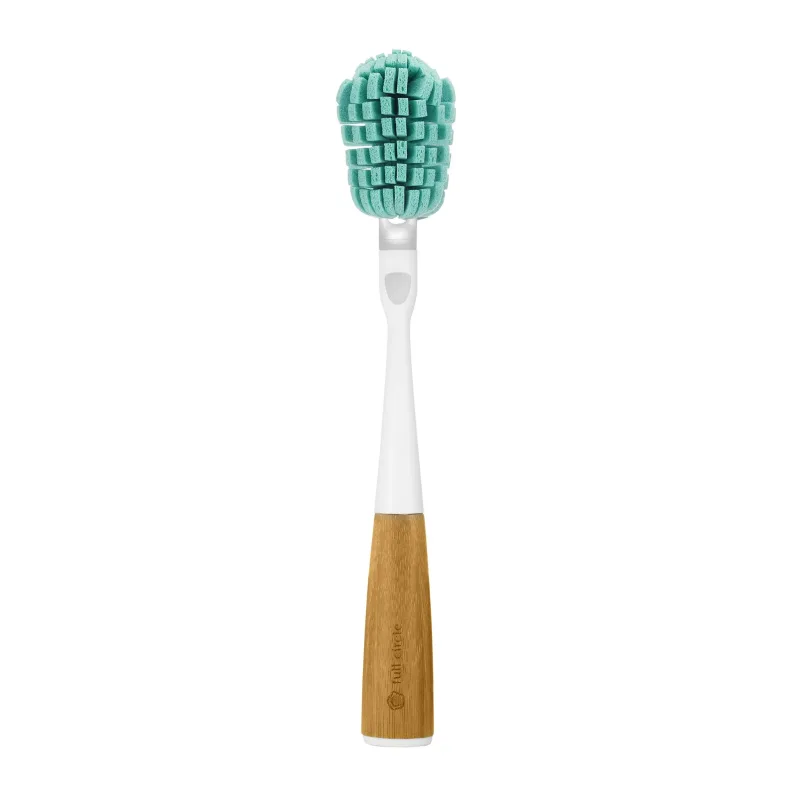
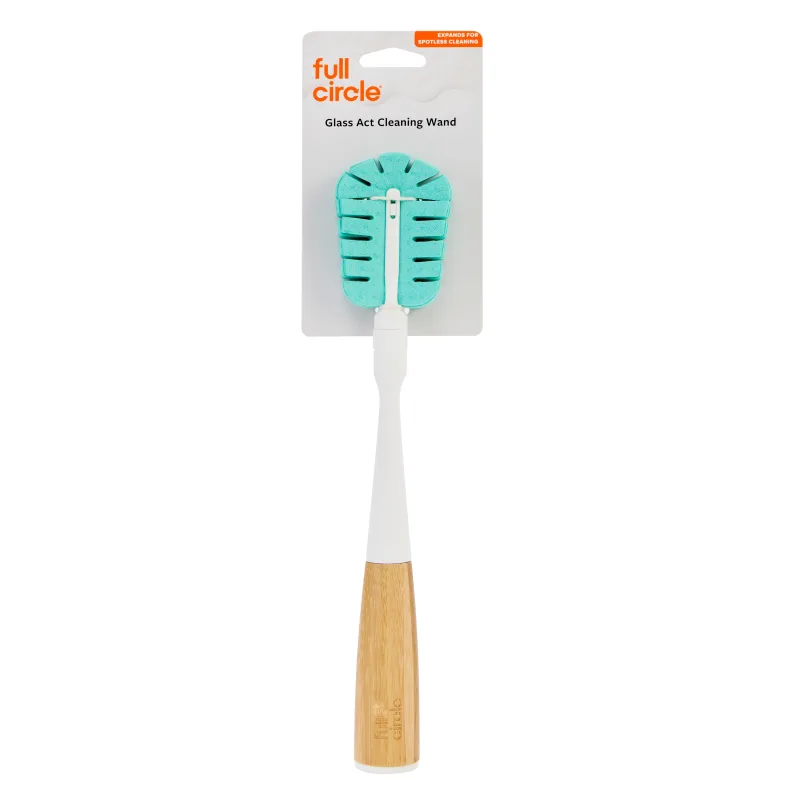
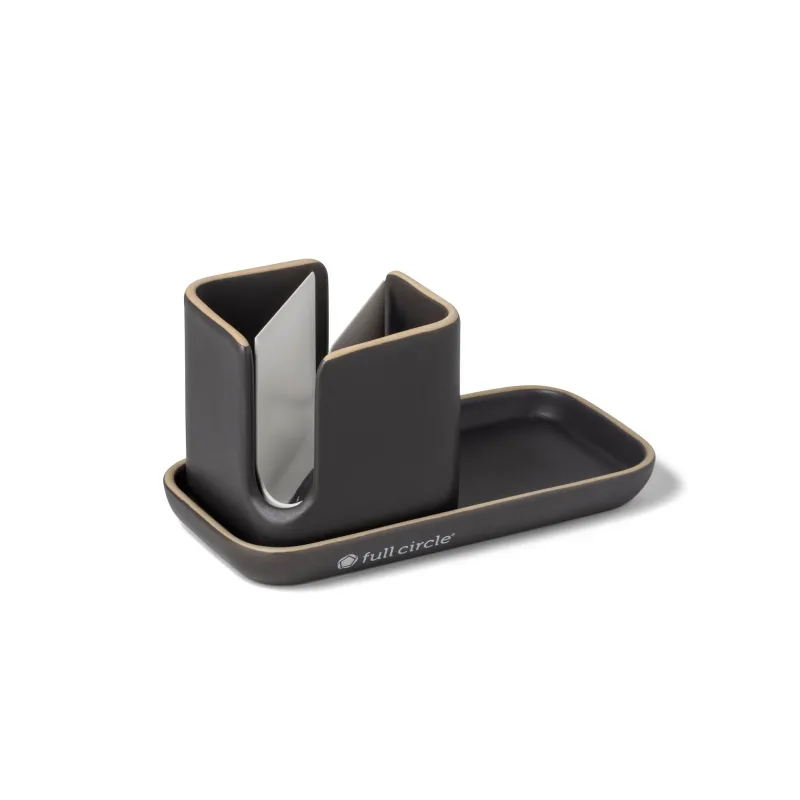
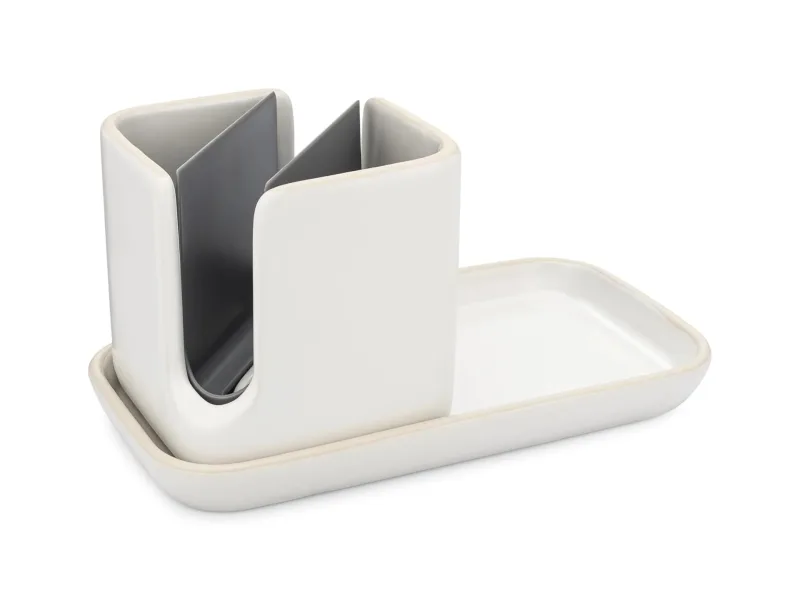
The sink is where most plastic kitchen waste begins. A reusable dish brush with replaceable heads cuts out disposable sponges, and a Glass Act Cleaning Wand handles bottles, jars, and glasses without a plastic-bristled bottle brush that falls apart. Pair either with a Sinkside Ceramic Cleaning Station so your brush and soap have a stable, drainable home instead of sitting in a puddle.
Prep Without the Plastic Film
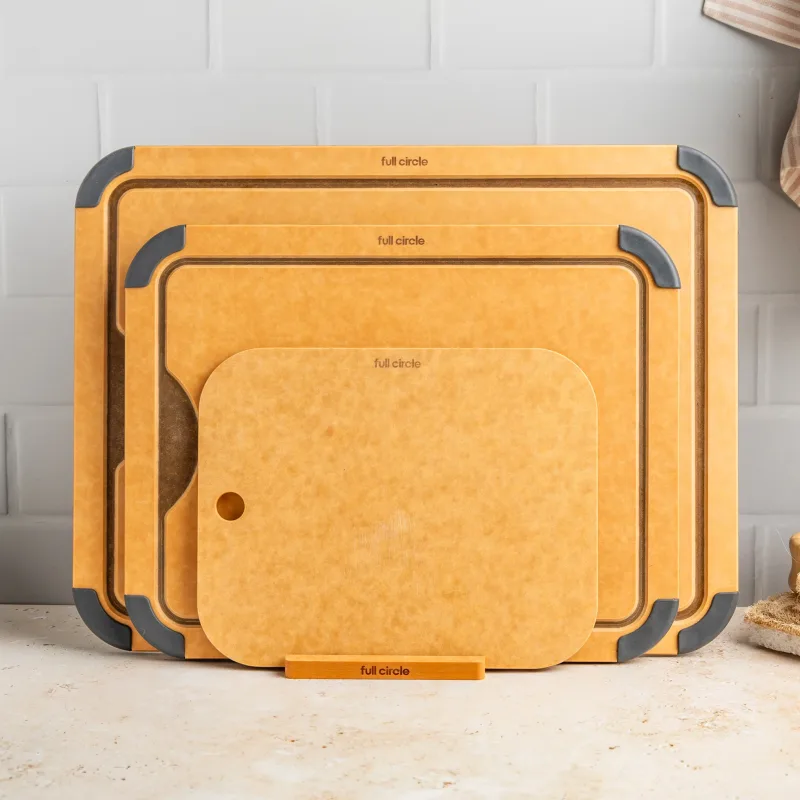
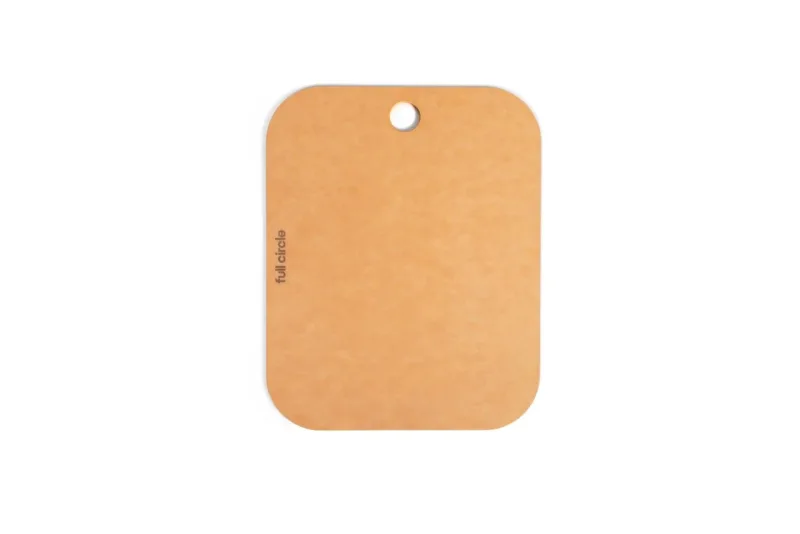
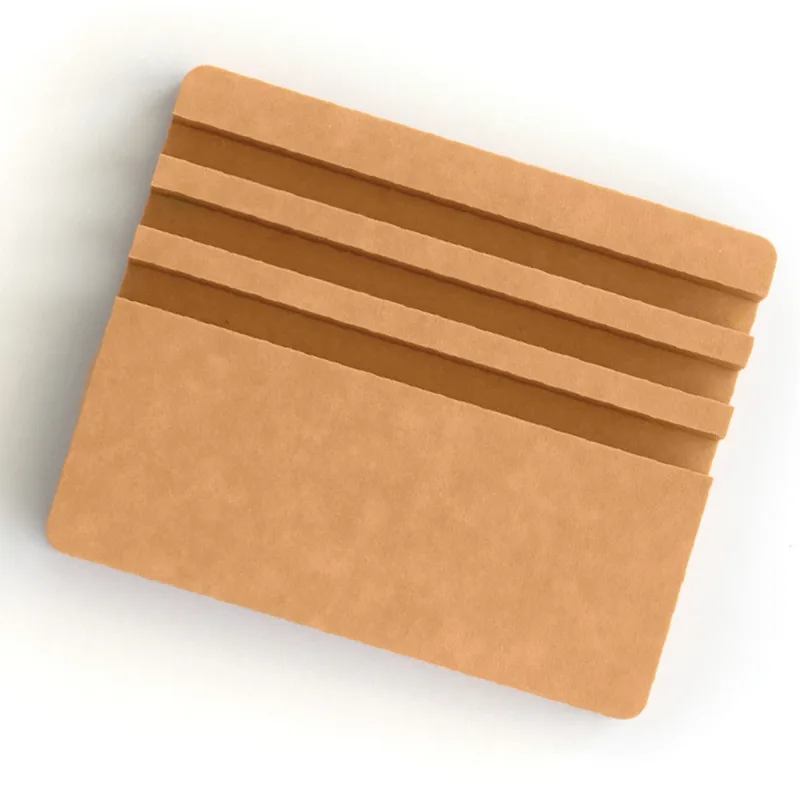
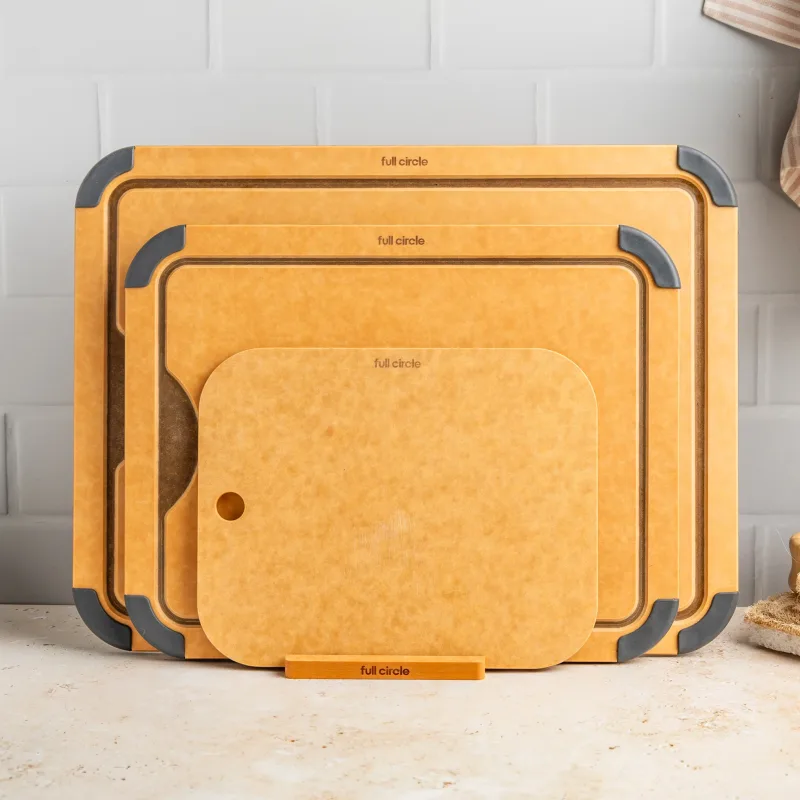
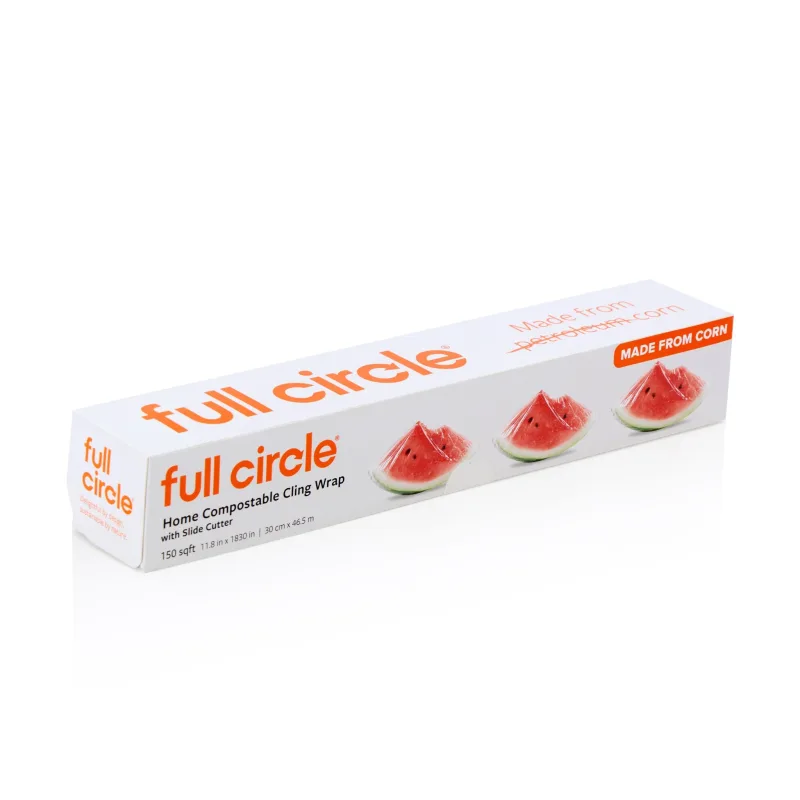
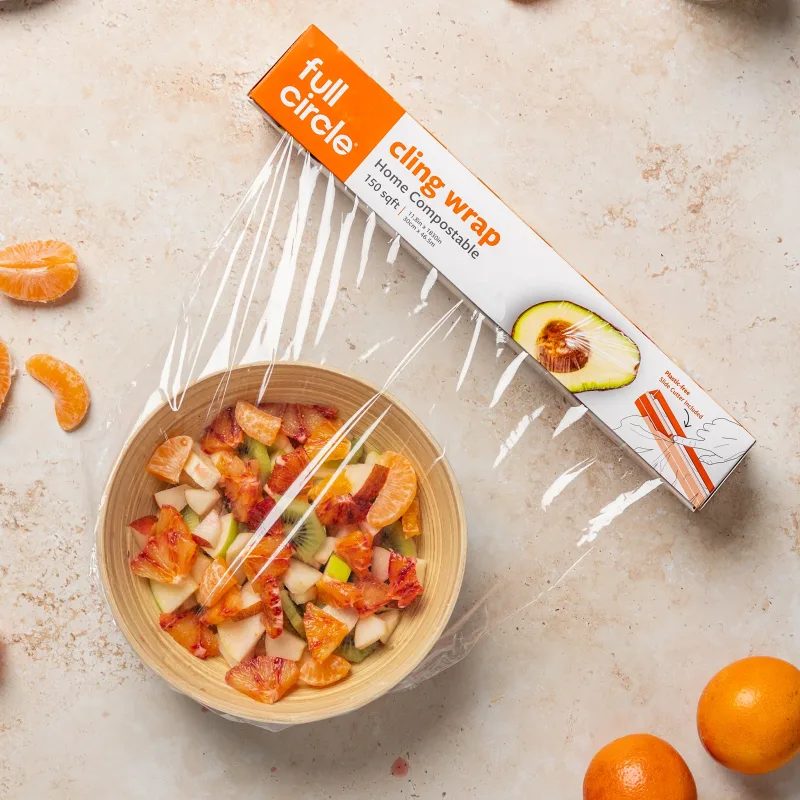
Food prep is the second-biggest source of single-use plastic. A Better-Than-Wood Cutting Board gives you a non-porous surface that will not harbor odors or shed fibers, and the matching Better-Than-Wood Cutting Board Holder & Drying Rack keeps boards upright and dry so they last for years. For wrapping leftovers, Home Compostable Cling Wrap replaces petroleum-based film and can go straight into your compost.
Handle Waste at the Source
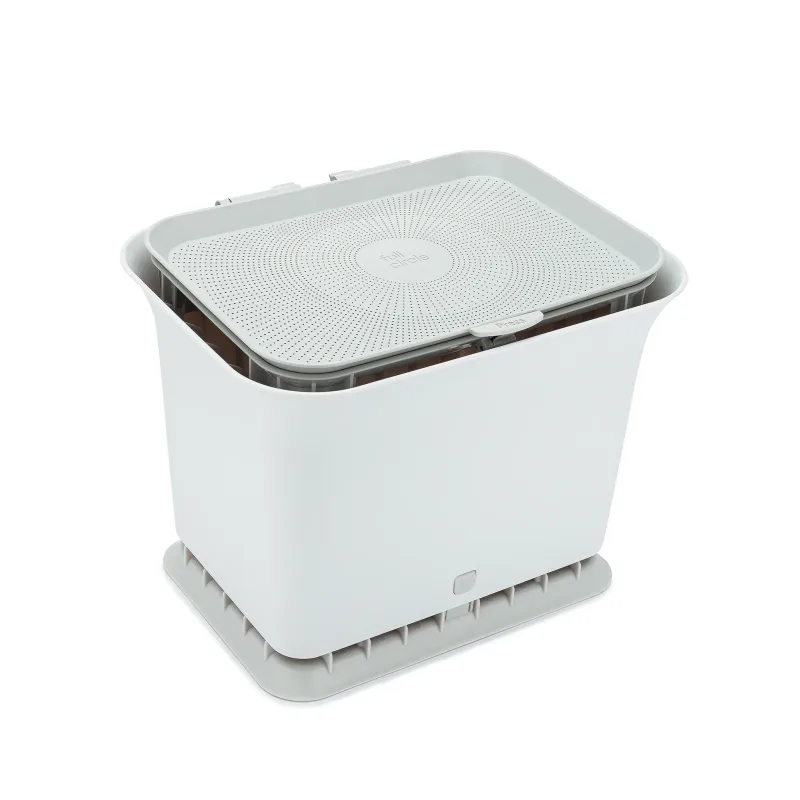
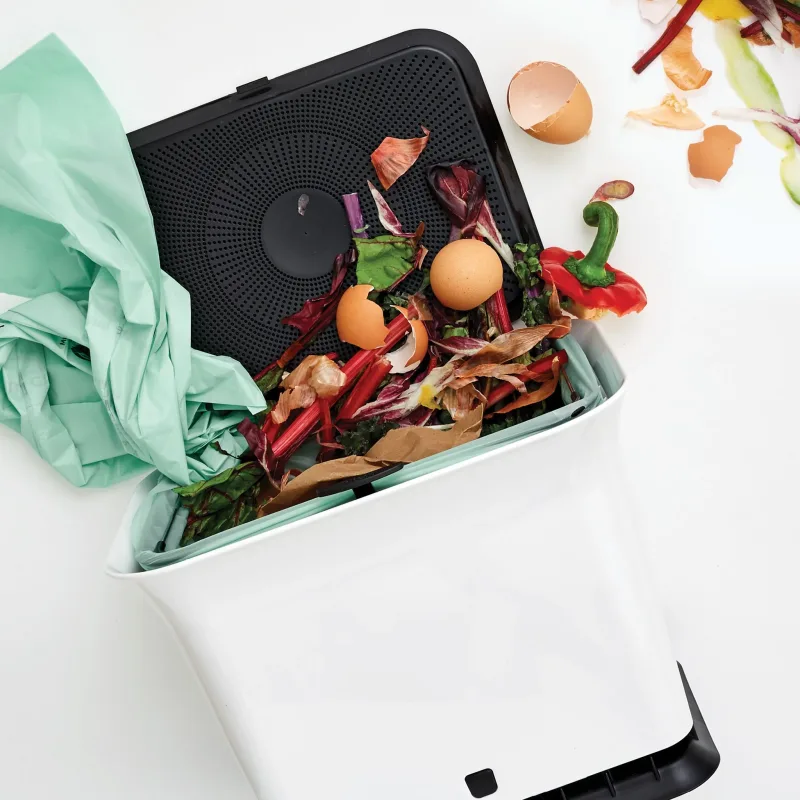
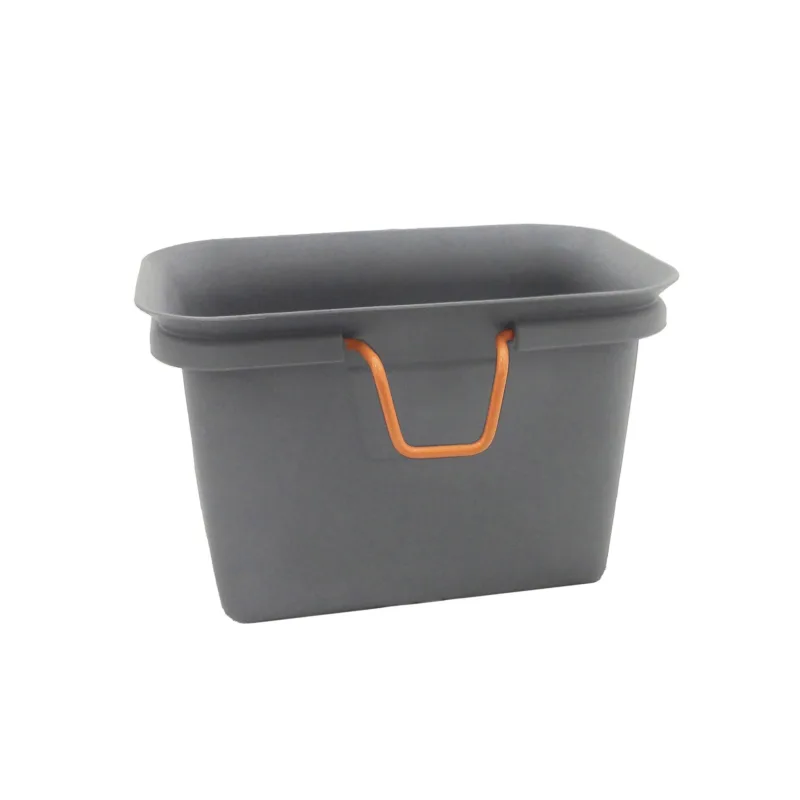
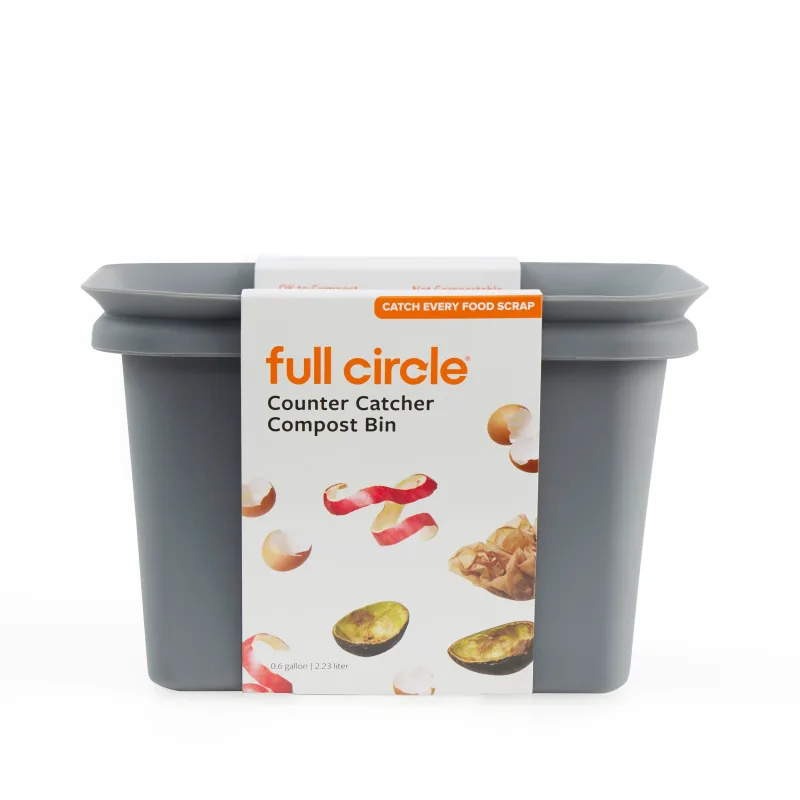
Scraps are unavoidable, but plastic bin liners are not. An Odor-Free Kitchen Compost Bin or the smaller Counter Catcher Compost Bin collects peels and coffee grounds on the counter, and you can line it with compostable bags rather than plastic. Empty it into your outdoor pile or municipal collection and rinse — no liner required.
Laundry Room Upgrades
The laundry room hides more plastic than most people expect: detergent jugs, dryer sheets, lint rollers, and the hamper itself. Two simple changes go a long way.
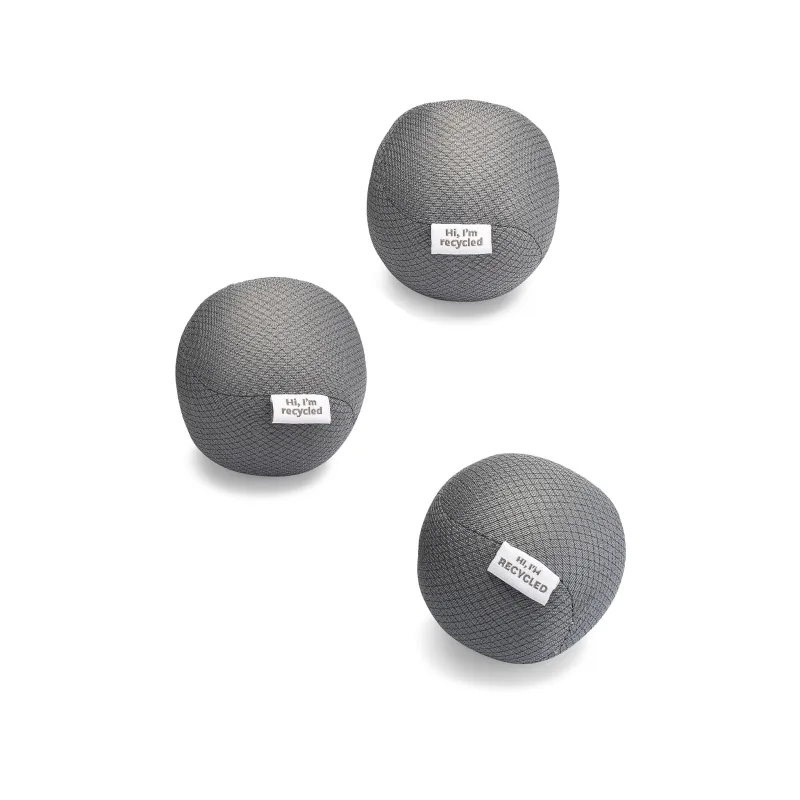
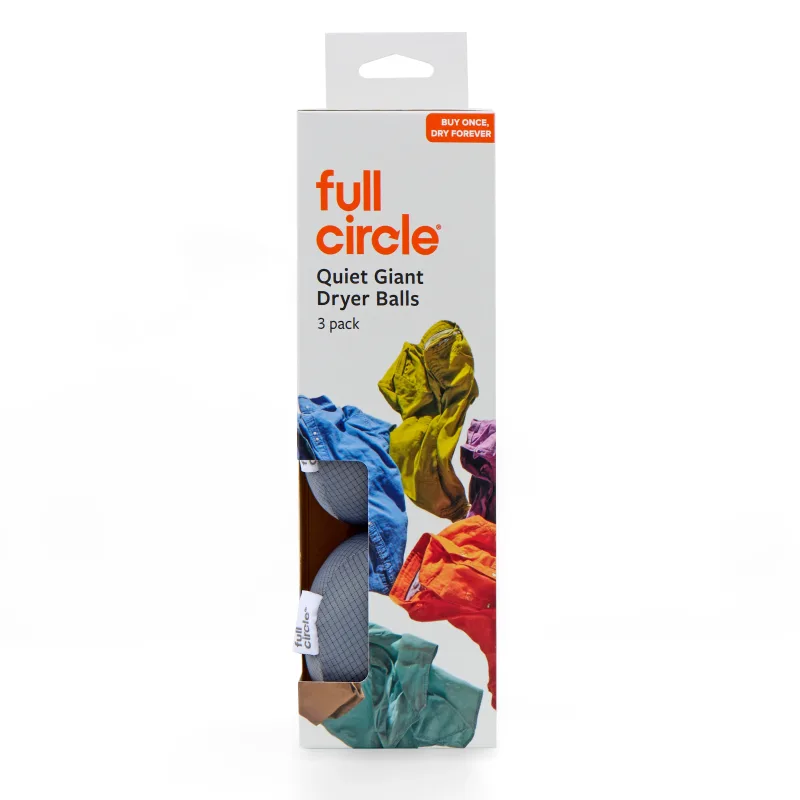
- Dryer sheets: swap them for Quiet Giant Dryer Balls, which reduce static and cut drying time without a coated sheet that sheds in the drum.
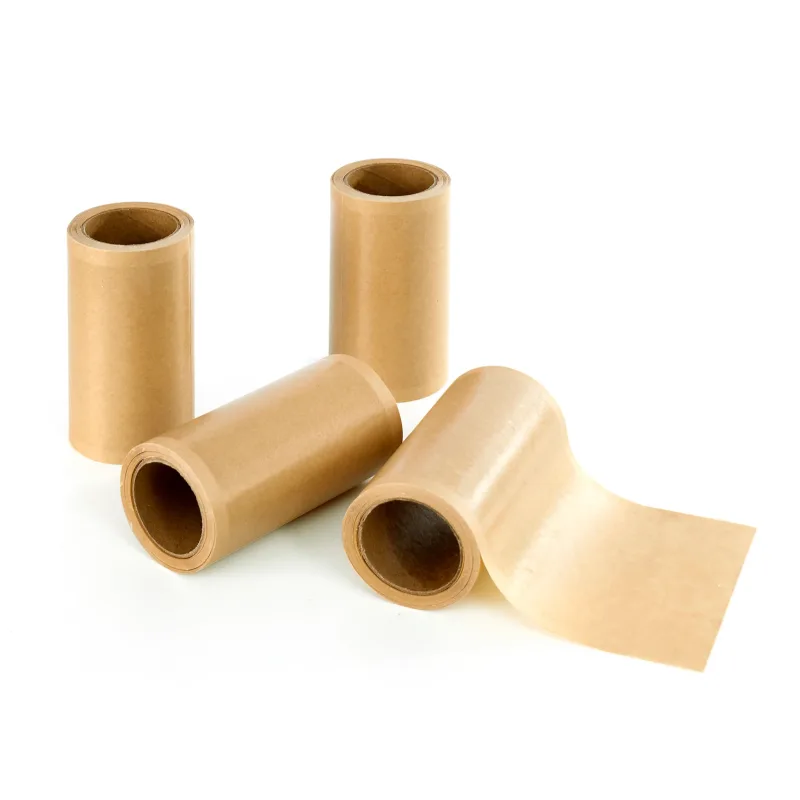
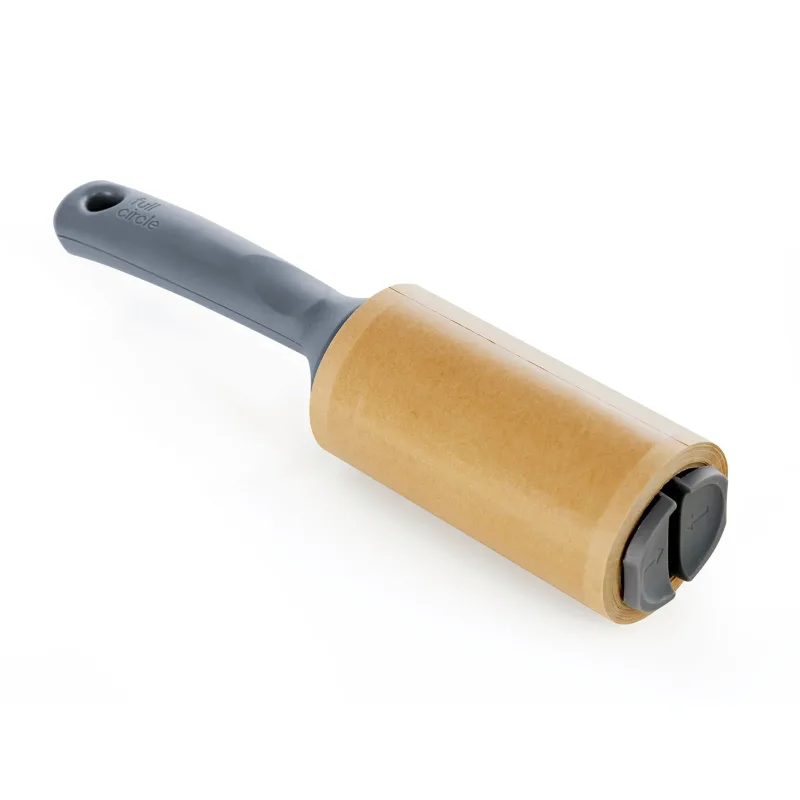
- Lint: a reusable Lint Lifter Roller Wand Refills setup replaces sticky plastic sheets you throw away after one pass.
- Hamper: a collapsible fabric hamper replaces a rigid plastic bin and folds flat when you are not using it.
Building a Starter Kit That Actually Gets Used
You do not need every tool on day one. Pick one zone and commit to it for a month.
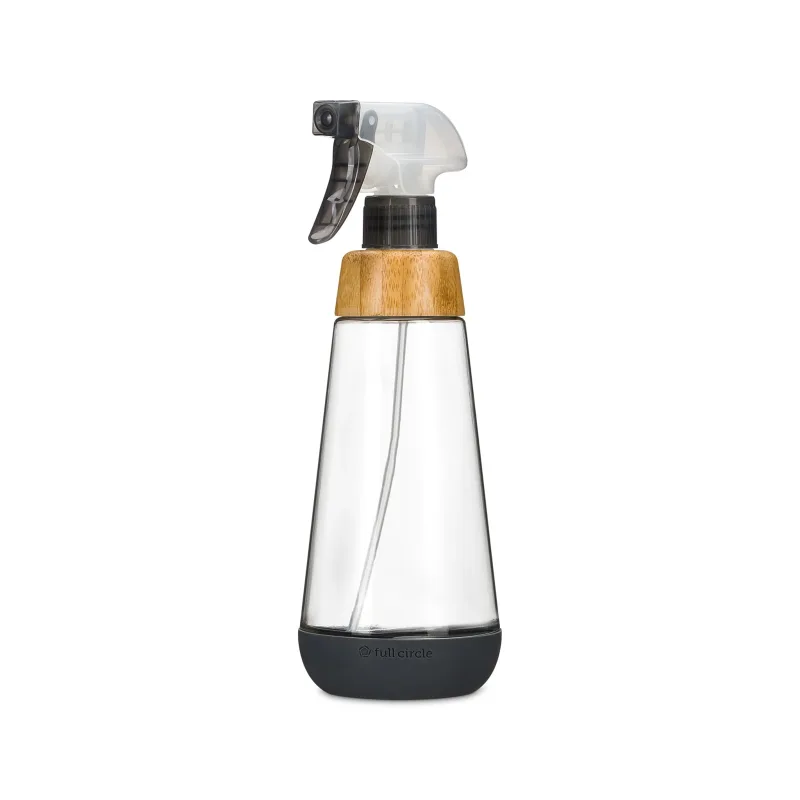
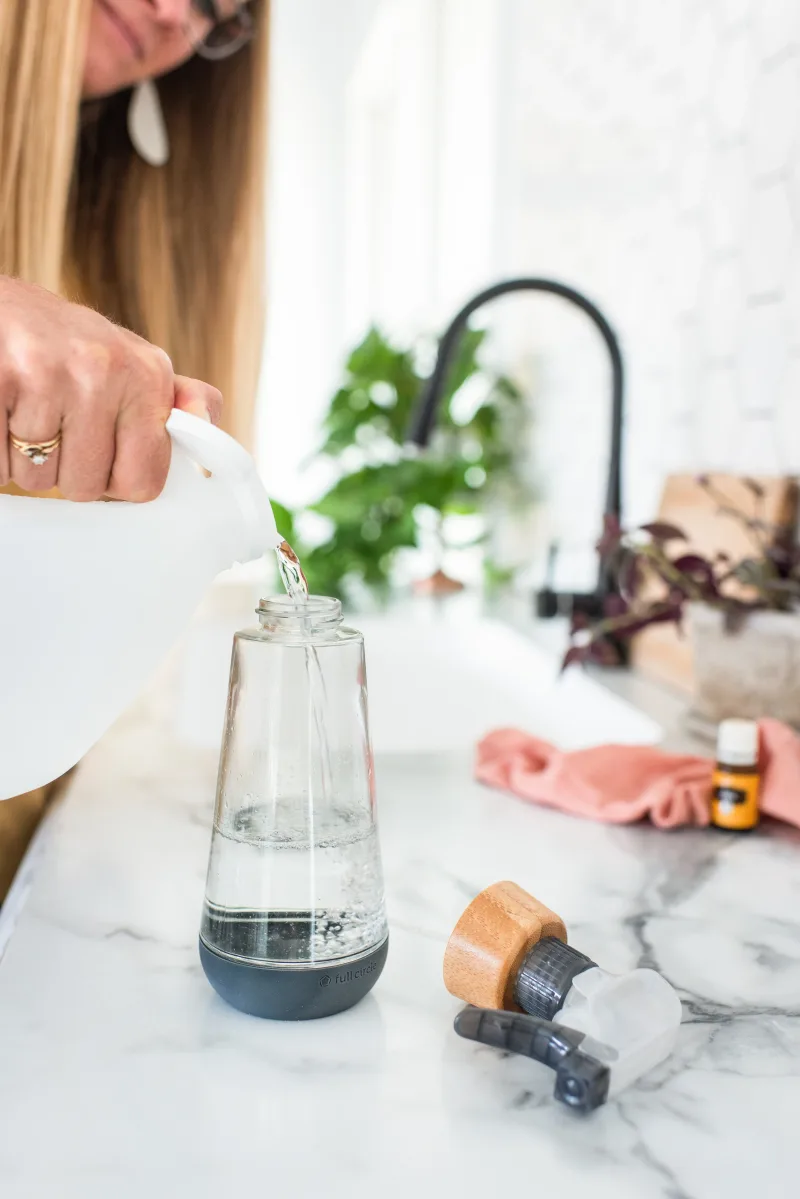
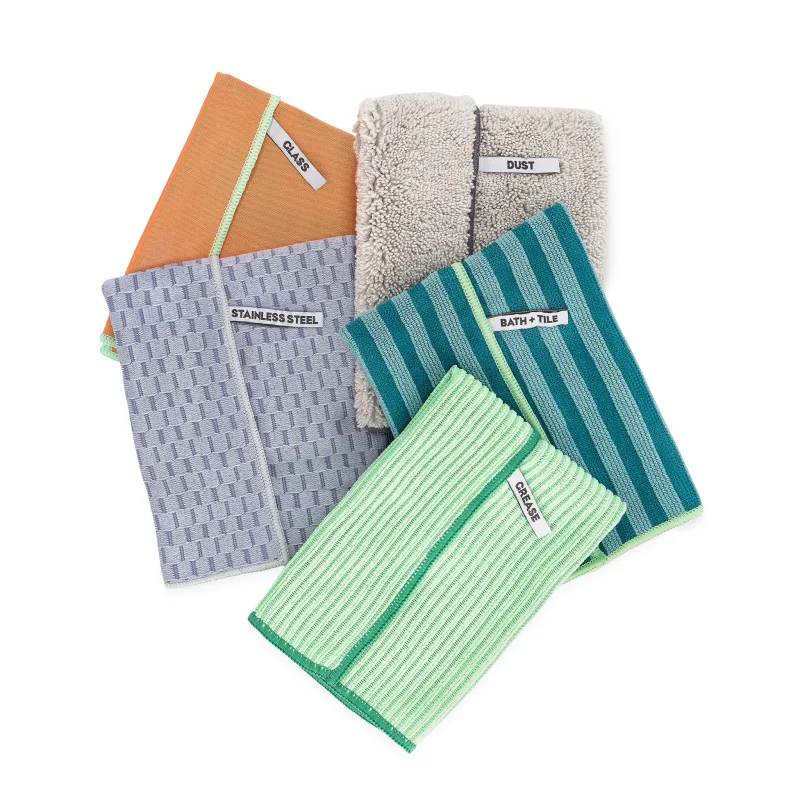
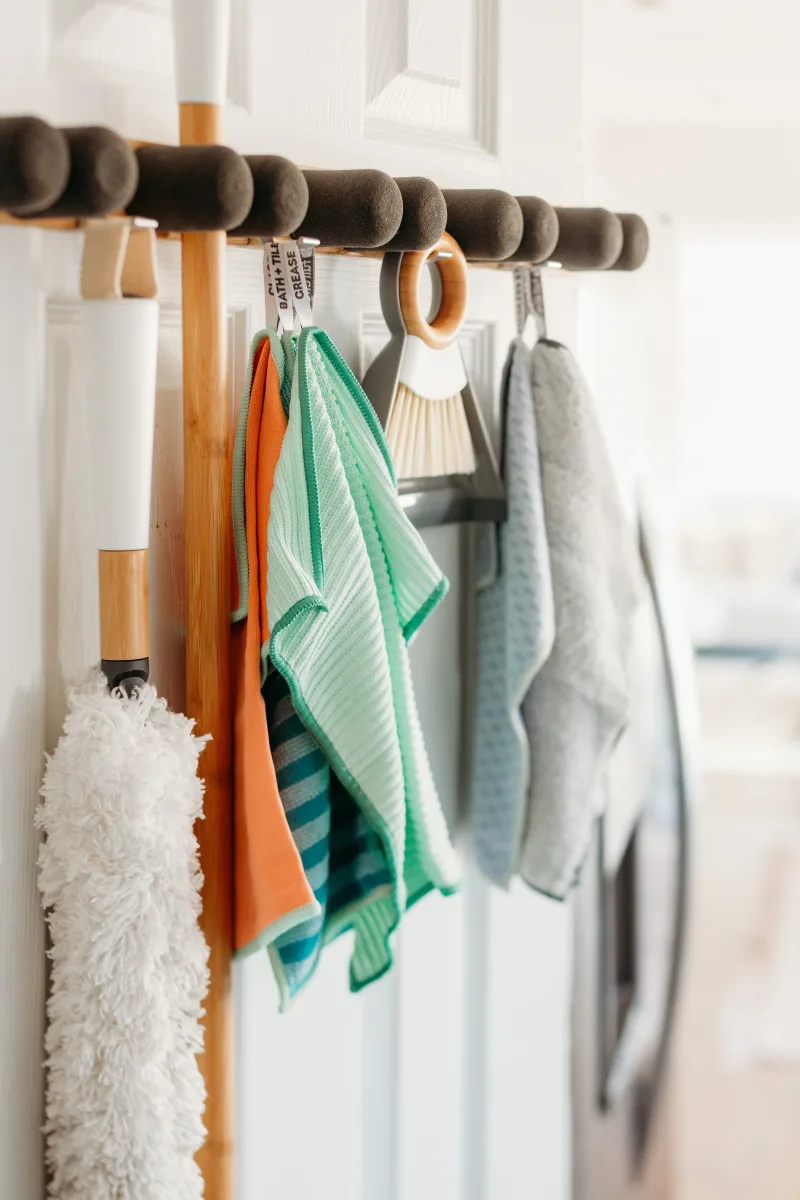
Kitchen sink starter: a dish brush, a Refill-Ready Glass Spray Bottle for your own all-purpose cleaner, and a Water-Works Microfiber Essential Cloth Set for wiping counters. This trio replaces sponges, plastic spray bottles, and paper towels in one move.
Laundry starter: dryer balls, a collapsible hamper, and compostable food waste bags for the kitchen bin. Together they eliminate dryer sheets, a plastic hamper, and bin liners.
Compost starter: a counter compost bin plus compostable bags. Once the habit sticks, you will notice how little trash actually leaves your kitchen.
Care and Longevity Tips
- Rinse brushes and cloths after every use. Food residue is what makes reusable tools smell, not the material itself.
- Dry upright. Boards, brushes, and bins last longer when air can circulate around them.
- Replace heads, not handles. Choose tools with replaceable parts so you are only buying the small piece that wears out.
- Wash microfiber separately. It picks up lint from other fabrics, so keep it out of loads with towels.
- Skip the dishwasher for wooden or bamboo handles. Hand wash and air dry to prevent cracking.
None of these swaps require a lifestyle overhaul. Choose one, use it until it becomes automatic, then add the next. That is how a plastic-free kitchen and laundry routine actually sticks.