My sponge used to be the dirtiest thing in my kitchen. Not the trash can, not the sink drain — the sponge. Those yellow-and-green rectangles shed a little more plastic every time I scrubbed a pan, and I was replacing them every two weeks. That's roughly 26 sponges a year, per household, most of them ending up in landfill. The sink area is exactly where plastic waste hides, because we replace things there so often we stop noticing.
Start Where You Stand: The Sink
Look at what sits on your counter right now. A bottle of dish soap with a plastic pump. A brush with nylon bristles. A sponge. Maybe a plastic caddy holding it all.
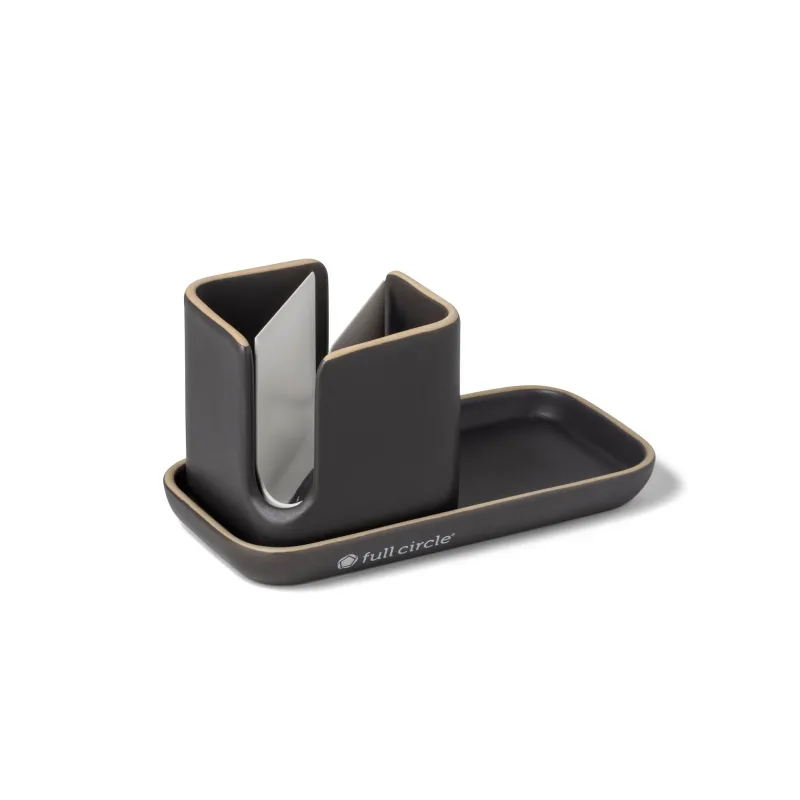
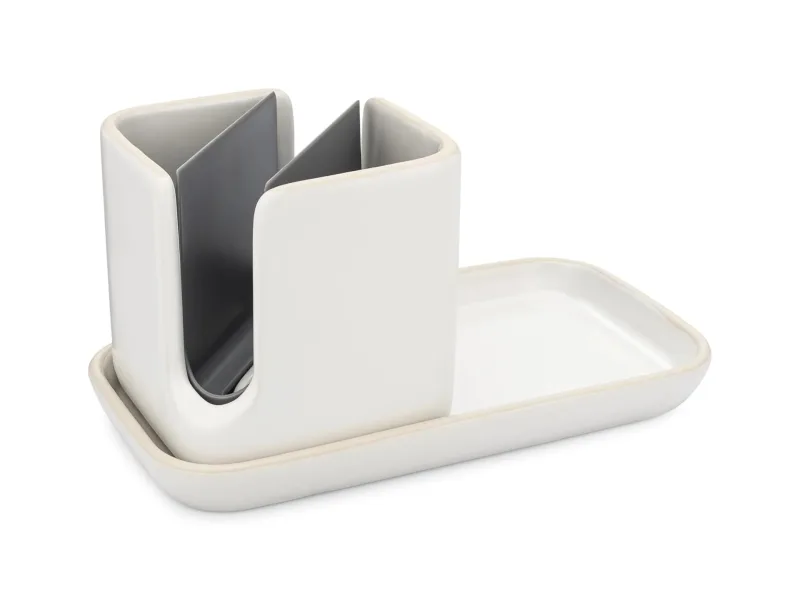
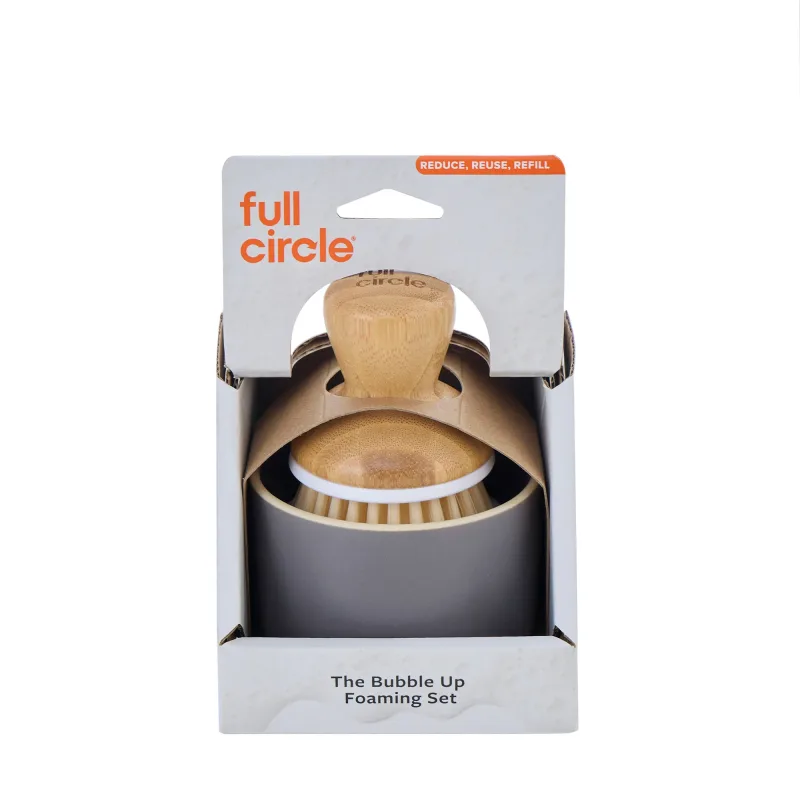
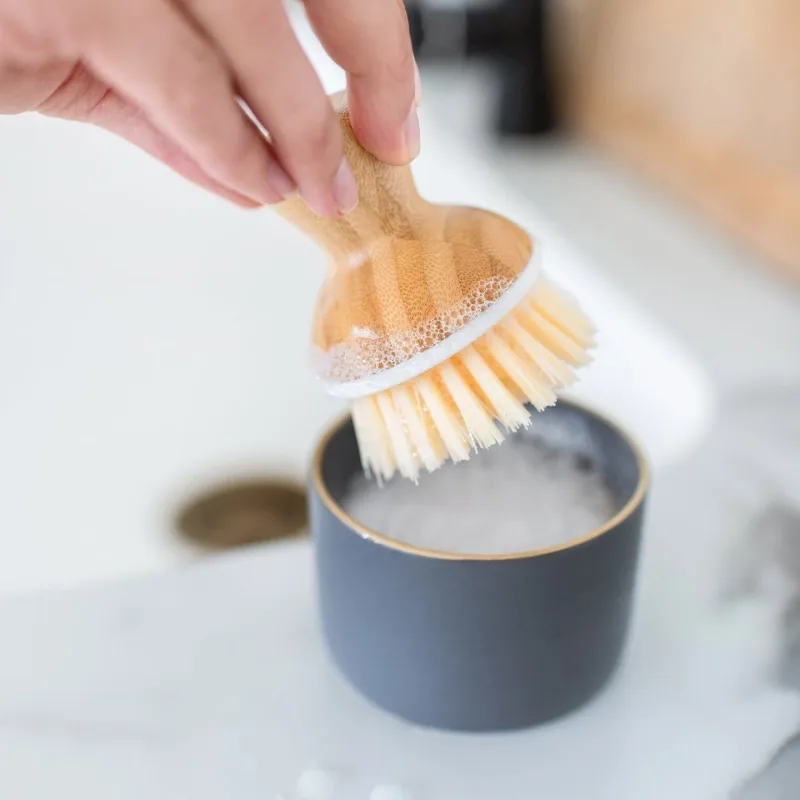
The fix isn't dramatic. It's a Sinkside Ceramic Cleaning Station — ceramic instead of molded plastic, so it doesn't crack and get tossed in two years. Pair it with a The Bubble Up Foaming Set, which lets you foam your own dish soap from concentrate. One glass bottle, refilled indefinitely, instead of a new plastic pump every month.
For the actual scrubbing, skip the sponge entirely. A plastic-free sponge set and a foam-dispensing dish brush hold up better than the foam kind anyway. Foam sponges break down fast because they're mostly air. Natural fiber scrubs don't.
What Actually Survives Daily Dish Duty
I've tested this. A fiber scrub lasts about six weeks if you rinse it and let it dry between uses. Same with a good brush. The trick is airflow — don't leave it sitting in a puddle of water at the bottom of the sink. The Sinkside station handles that part, since it drains.
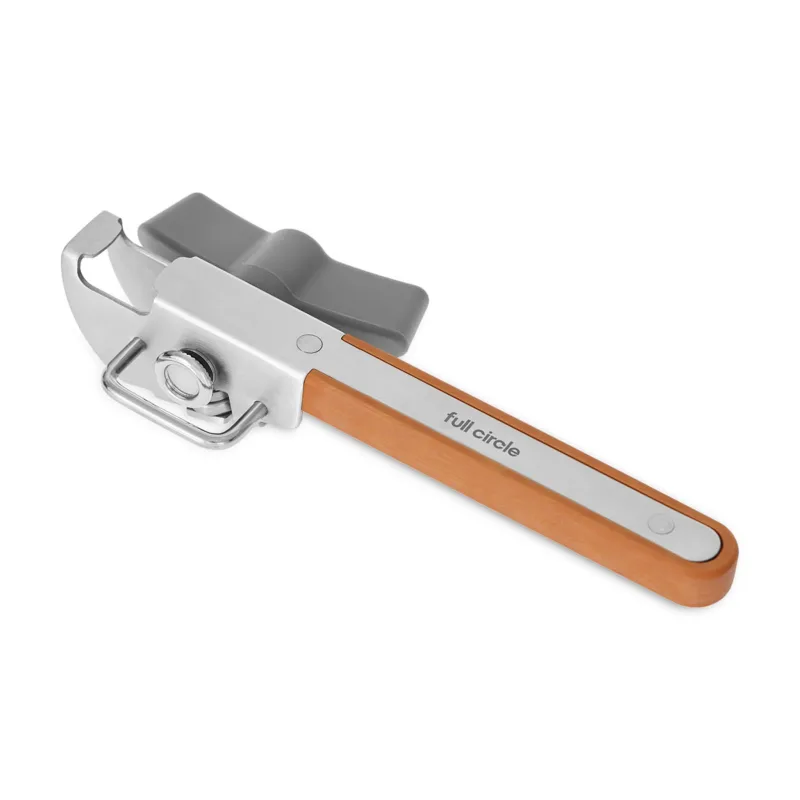
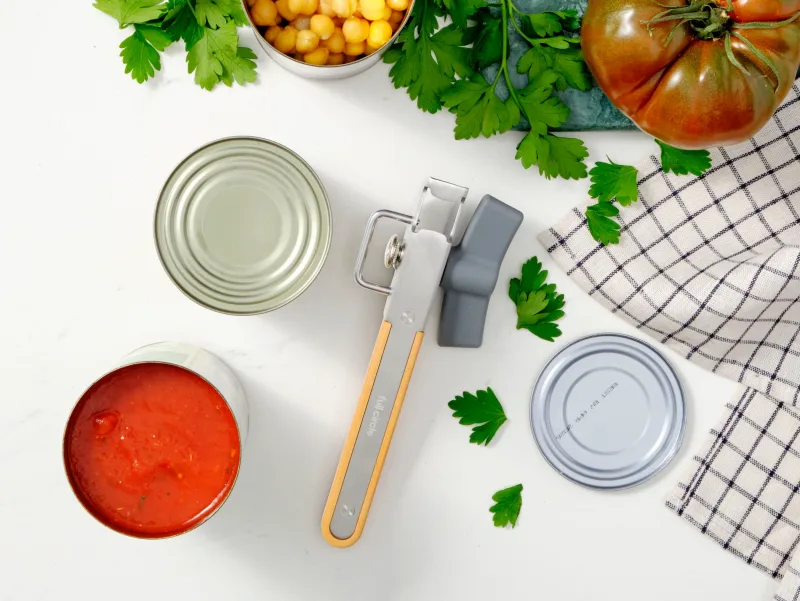
One more thing people miss: cans. A traditional can opener cuts a sharp lid that falls into the food and leaves a metal edge. A Smooth Edge Can Opener removes the lid without the sharp rim, so you're not fishing around with a fork and you're not slicing your sponge to shreds either.
Compostable Food Waste Bags and the Scrap Sack
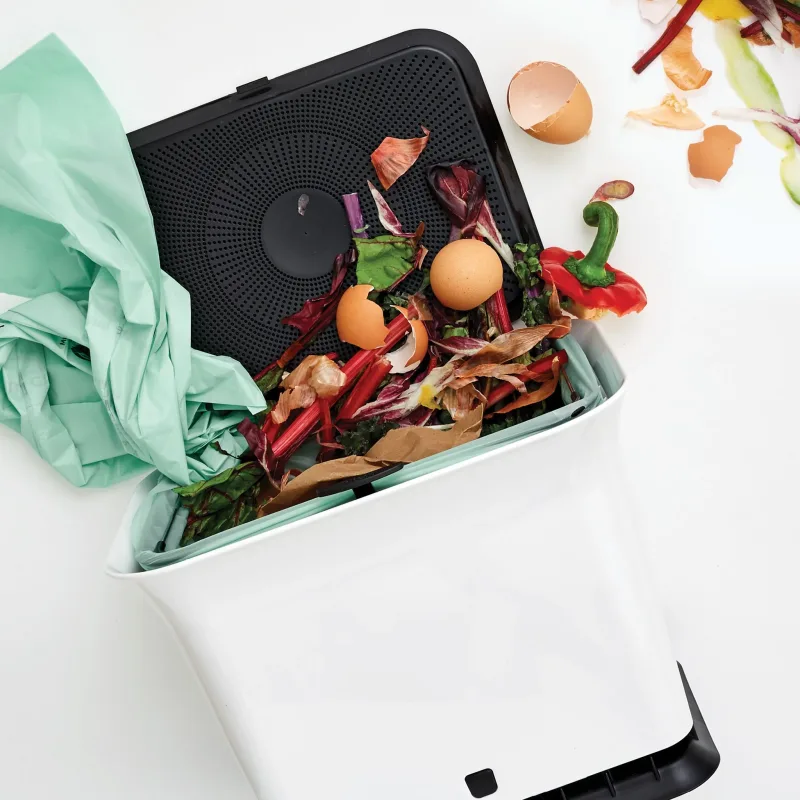
Here's where most kitchens lose the battle. You cook, you have potato peels and coffee grounds, and you bag them in a plastic bag that takes 400 years to break down. For vegetable scraps, that's absurd.
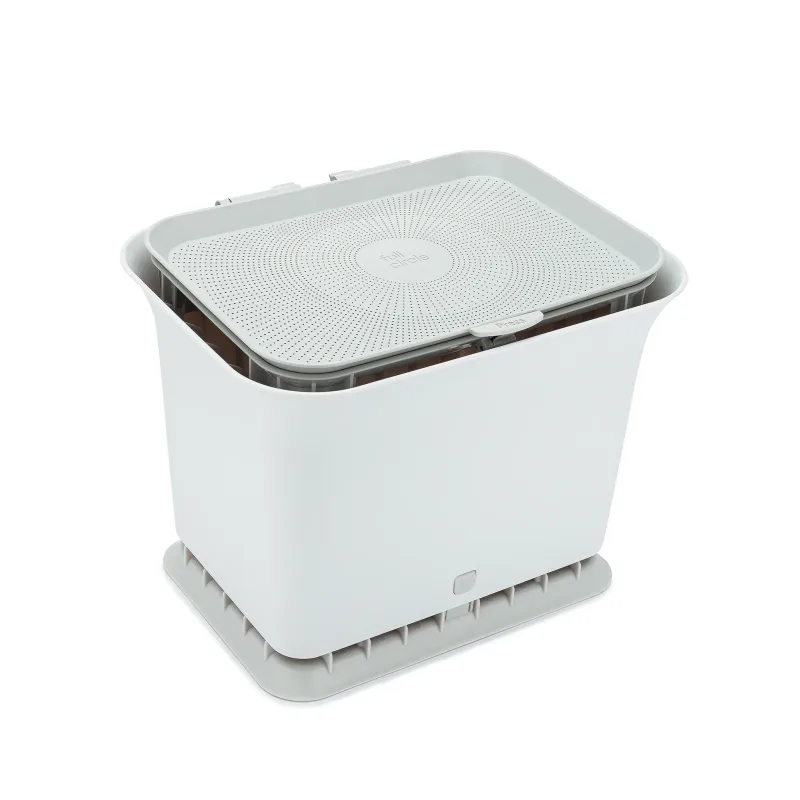
Compostable food waste bags change this. Line a countertop bin with one, fill it, and dump the whole thing into your compost — bag included. No plastic liner to separate, no leaky mess. The Odor-Free Kitchen Compost Bin is built for this. Its lid actually seals, which matters because the number one reason people quit composting is smell.
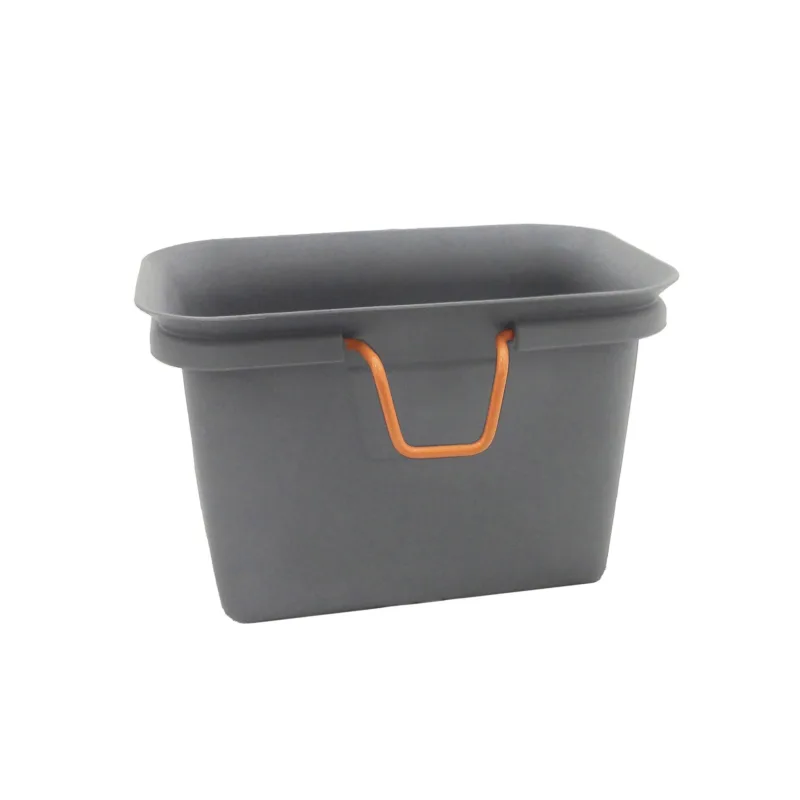
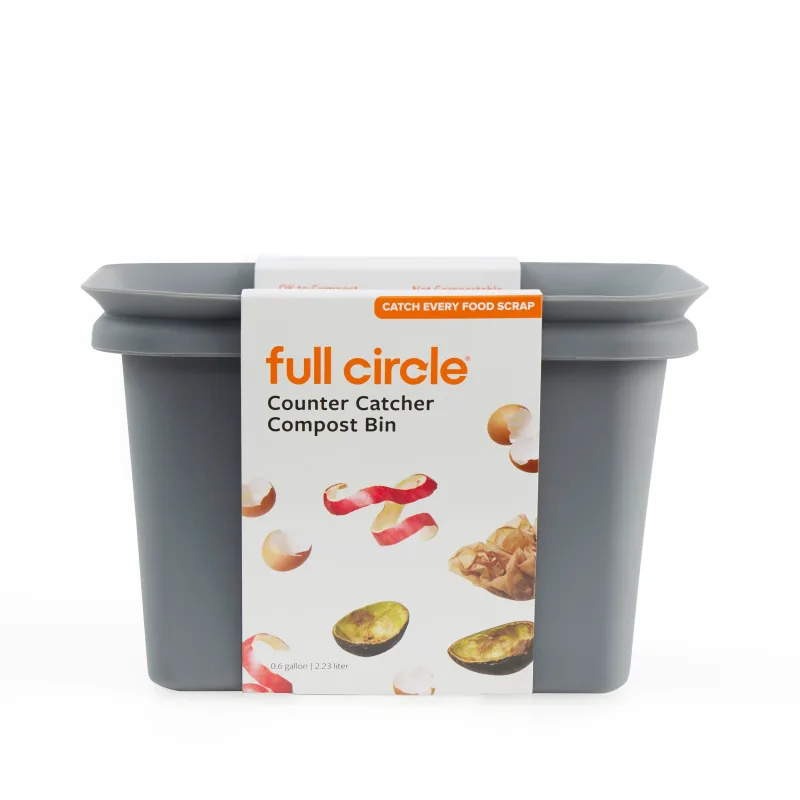
If you want something smaller for daily scraps, the Counter Catcher Compost Bin sits right by the cutting board. Fill it while you cook, empty it once a day. That's the whole routine.
Cutting Boards: Where Microplastics Sneak In
Plastic cutting boards shed microplastics directly into your food. Every knife stroke releases tiny particles of polyethylene. Studies have found that chopping on plastic can release millions of particles per year.
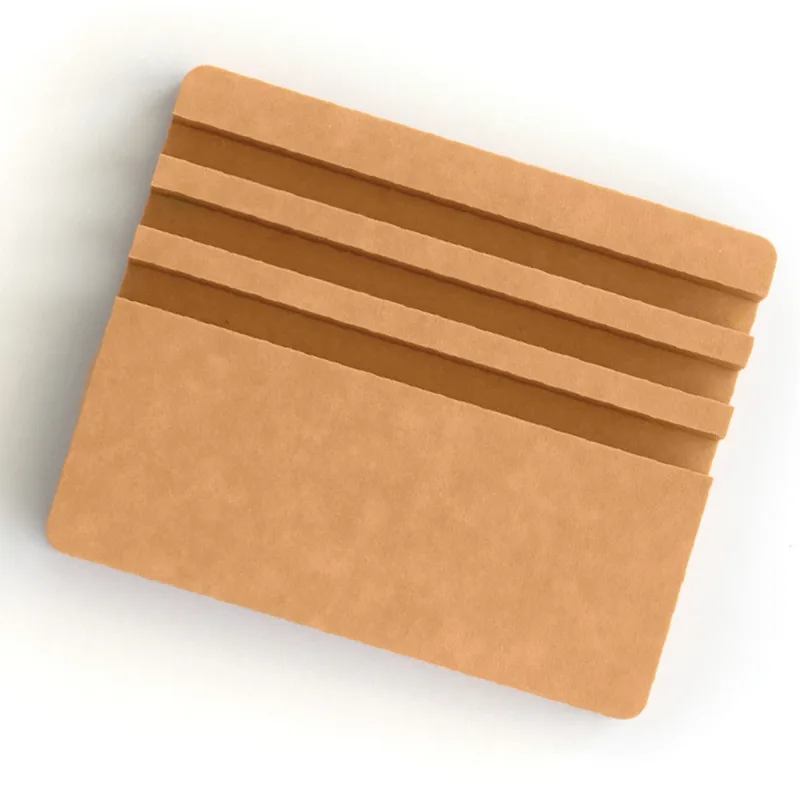
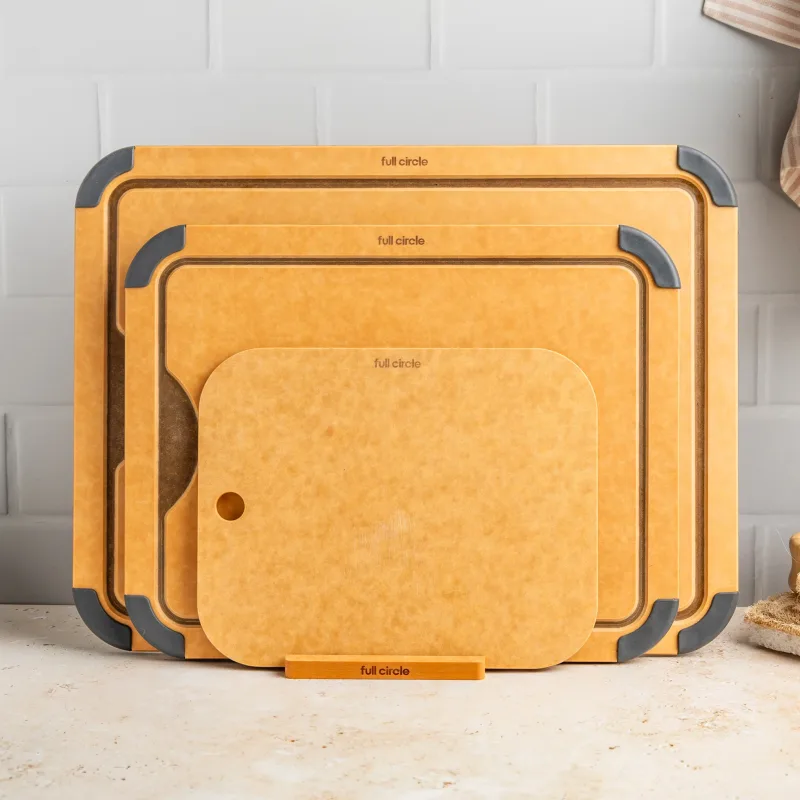
Better-Than-Wood Cutting Boards solve this without the maintenance of real wood. They're dishwasher safe, they don't warp, and they don't harbor bacteria in deep knife grooves the way plastic does. Add a Better-Than-Wood Cutting Board Holder & Drying Rack and they dry upright instead of sitting flat and trapping moisture underneath.
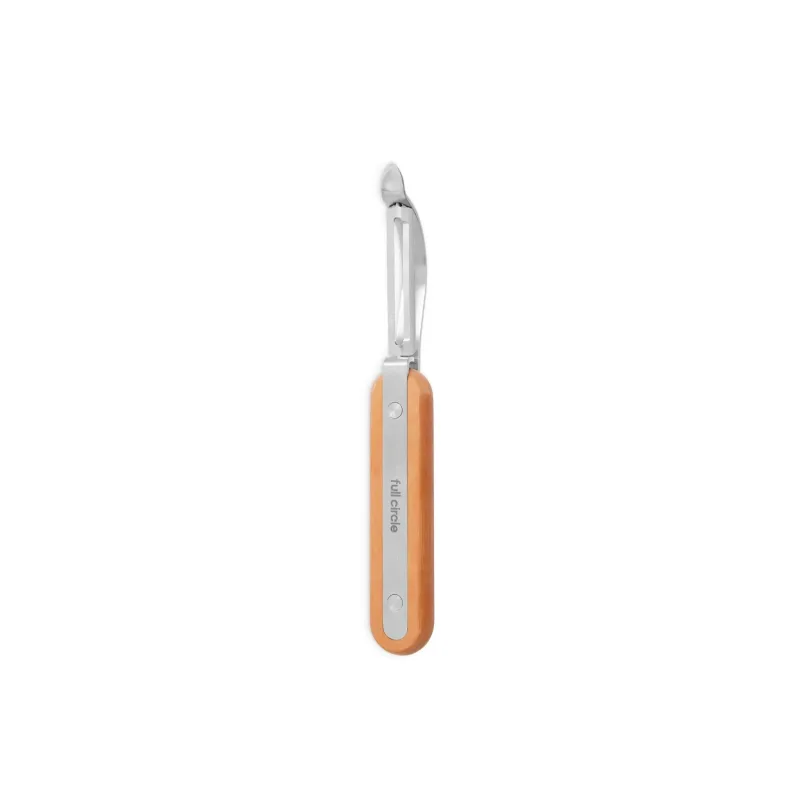
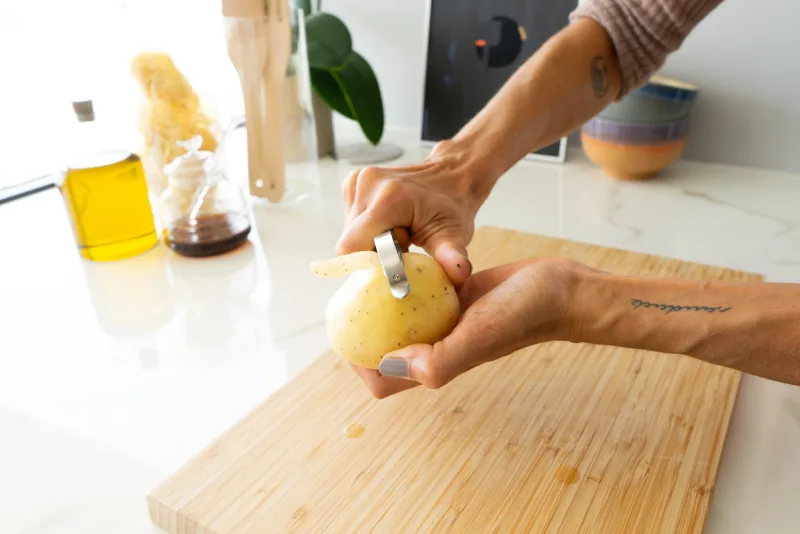
While you're at it, look at your tools. Wooden spoons and metal utensils skip the plastic entirely. A The Produce Peeler replaces the plastic-handled version you probably have in a drawer. Small swap, but it adds up when you consider how many plastic-handled tools are in a typical kitchen.
Bottles, Laundry, and the Drain
Two more habits. First, stop buying bottled water for the house. A 17oz SOMA glass bottle keeps water tasting like water, not like the inside of a plastic jug. Glass doesn't leach, and it doesn't hold onto the flavor of whatever you drank last.
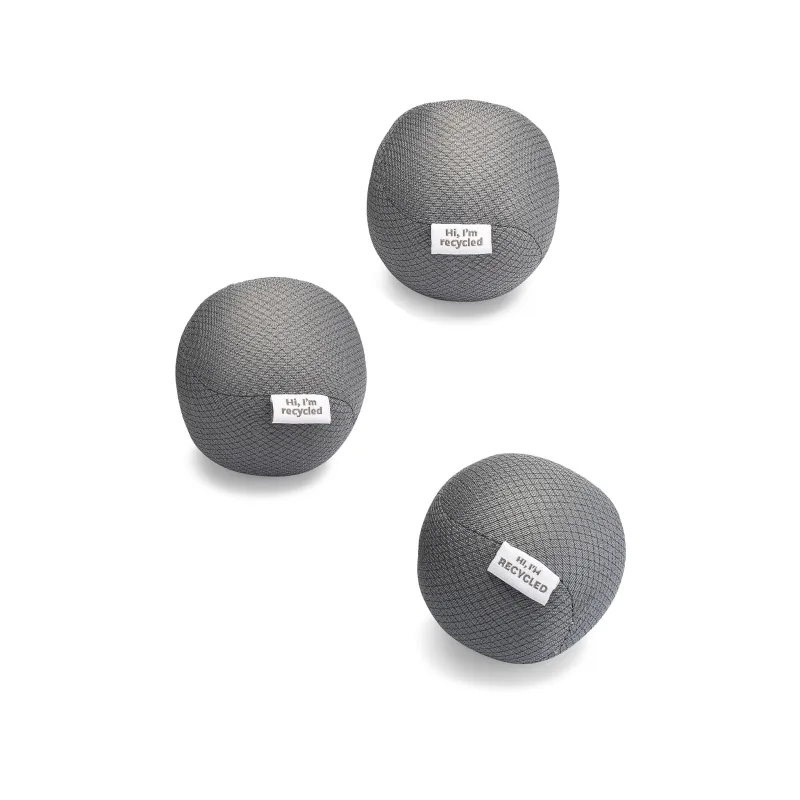
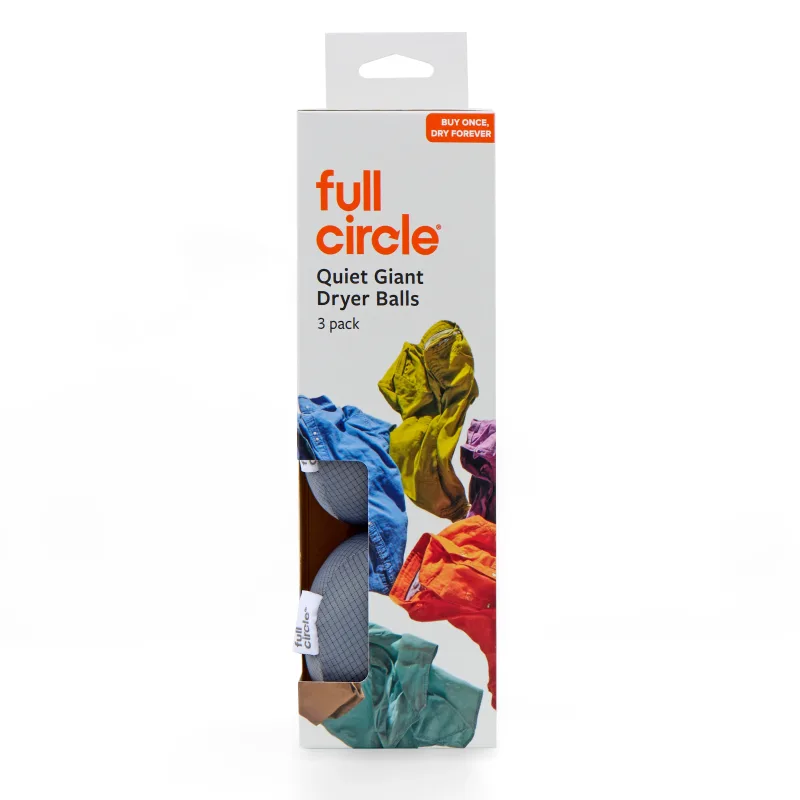
Second, laundry. Synthetic fabrics shed microfibers in the wash, and those fibers go straight to the ocean. Wool dryer balls replace dryer sheets, which are single-use and coated in chemicals. The Quiet Giant Dryer Balls cut drying time too, which is a nice side effect.
None of this happens overnight. Pick one thing — the sponge, the bags, the cutting board — and swap it this week. The rest follows once you notice how much less you're throwing away.